Sourdough
How to Cold-Proof Sourdough in the Fridge Overnight
Learn how to cold-proof sourdough overnight: when to refrigerate shaped dough, how long it can stay cold, and how to bake it straight from the fridge.
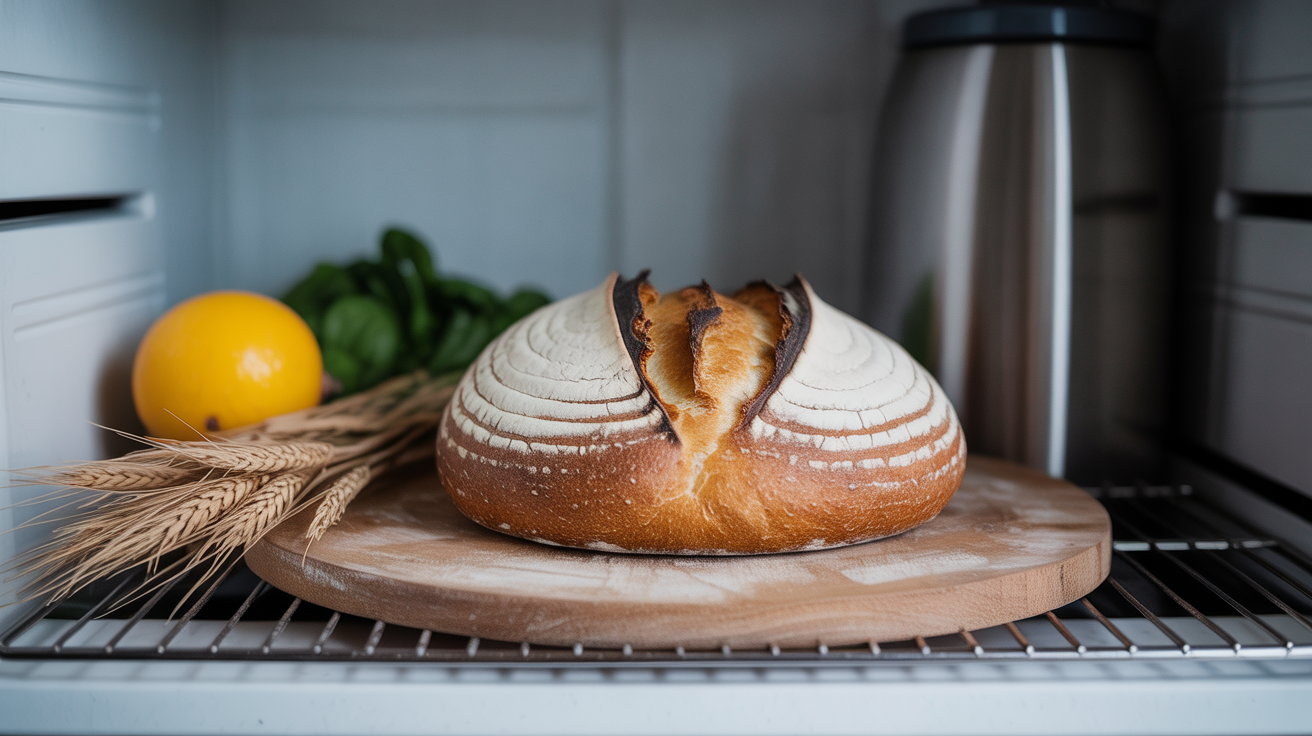
Putting your shaped sourdough in the refrigerator overnight slows fermentation to a crawl, builds deeper flavor, and lets you bake on a schedule that fits your life instead of the dough's.
At a Glance
- Cold proofing works because refrigerator temperatures (38 to 40°F) slow fermentation without stopping it, giving you an 8 to 16 hour window before baking.
- It builds flavor complexity through continued lactic and acetic acid activity, but it can't fix dough that was under-fermented going in.
- Aim for a dough temperature of 75 to 80°F right before it goes into the fridge for the most predictable results.
- Baking straight from cold gives firmer, easier scoring and a stronger oven spring than letting the dough warm up first.
- The poke test still works cold: a slow, partial spring-back means the dough is ready.
- The single most common mistake is leaving the dough in too long, which produces a flat, gummy loaf.
What Cold Proofing Actually Does to Your Dough
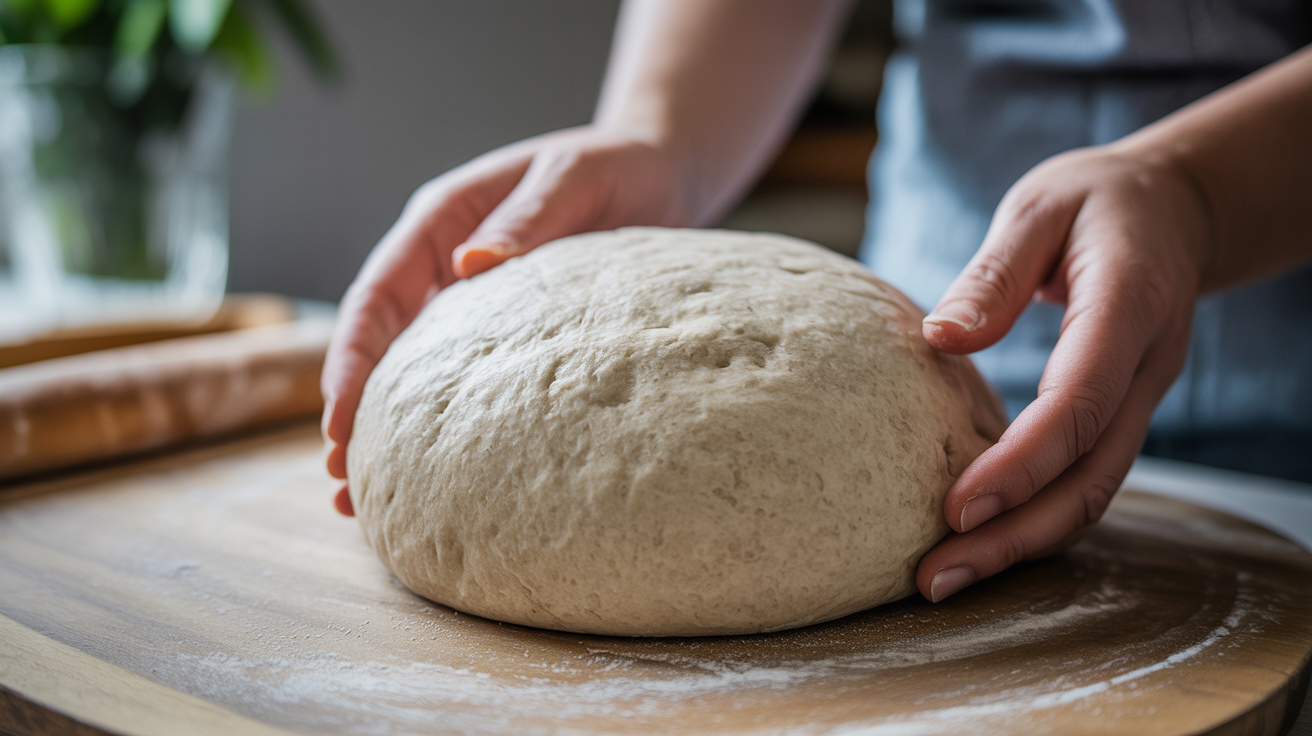
Sourdough ferments because wild yeast and bacteria consume the sugars in flour. Temperature controls how fast that happens. At room temperature (around 75-78°F / 24-26°C), shaped dough can finish proofing in two to four hours. At refrigerator temperatures (around 38-40°F / 3-4°C), that same process slows dramatically but does not stop entirely.
During a cold proof, a few things happen that a room-temperature proof cannot replicate:
- Flavor development. The bacteria responsible for acidity, primarily lactic and acetic acid bacteria, continue working even at cold temperatures. A longer, cooler fermentation produces more complex, slightly tangy flavor without the harshness that comes from over-fermenting at room temperature.
- Better crust and scoring. A cold, firm loaf holds its shape when you turn it out of the banneton and score it. Warm, soft dough can spread before it hits the oven.
- Scheduling flexibility. Once the dough is in the fridge, it will stay ready to bake for 8 to 16 hours. Shape dough in the evening and bake fresh bread the next morning, or shape on Saturday and bake Sunday afternoon.
Cold proofing does not fix under-fermented dough. If your dough has not built enough strength and gas during bulk fermentation, the fridge will preserve that state rather than improve it. The cold retard works best when the dough is already in good shape going in. According to King Arthur Baking's guide to refrigerating bread dough, aiming for a dough temperature between 75°F and 80°F right before it goes into the fridge is the detail that most reliably prevents overproofing during a long cold rest, since dough that's already warm and active when it hits the cold air keeps building momentum for longer than dough that starts cooler.
When to Move Shaped Dough to the Fridge
The timing question trips up a lot of beginners because the answer depends on how far along your dough is, not on a fixed clock time.
After you shape your loaf and place it seam-side-up in a floured banneton or a bowl lined with a floured cloth, you have two options:
-
Go straight to the fridge. This is the most common approach for home bakers. The dough continues proofing slowly overnight in the cold. It works well when your shaped dough has good tension and your bulk fermentation was complete.
-
Bench-rest at room temperature briefly, then refrigerate. Some bakers let the shaped dough rest at room temperature for 20 to 30 minutes after shaping before putting it in the fridge. This gives the dough a short window to relax and begin its final proof before the cold slows everything down.
For most beginners, going straight from shaping into the fridge is the simpler path. Wrap the banneton loosely with plastic wrap or place it inside a large bag to prevent the surface from drying out.
How Long Can Sourdough Stay Cold?
For beginners, an 8- to 16-hour cold proof is the practical range. That covers shaping after dinner and baking the next morning, or shaping in the morning and baking the following day.
| Cold Proof Duration | Typical Outcome |
|---|---|
| 4 to 6 hours | Slightly tangy, milder flavor. Fine if you need to bake early. |
| 8 to 12 hours | Good balance of flavor development and structure. A solid starting point. |
| 12 to 16 hours | More pronounced tang. Dough can begin to show signs of over-proofing past 14-16 hours at typical fridge temps. |
| Beyond 18 hours | Risk of over-proofing increases. Only extend this far once you know how your fridge and starter behave together. |
Your specific fridge temperature matters more than these numbers suggest. Fridges vary. A colder fridge (around 36-38°F / 2-3°C) will slow fermentation more than one running at 42°F (5-6°C). If your loaves come out flat and dense after an overnight cold proof, your fridge may be warmer than expected, or your dough over-proofed before it went in. If the flavor is milder than you want, try extending the cold proof by a couple of hours on the next bake.
If you want to track your own results, note the time the dough goes in, your fridge temperature, and how the finished loaf turns out. Three or four bakes give you a reliable baseline. An inexpensive fridge thermometer, kept on the shelf where the dough sits (not the door, which runs warmer), removes the guesswork; many home fridges run several degrees warmer or colder than their dial setting suggests.
Frost-free fridges also cycle their internal temperature up and down more than older manual-defrost models, since the cooling coils periodically warm to melt built-up ice. That cycling is usually mild enough not to matter for an 8 to 12 hour proof, but it's one more reason a shelf near the back (away from the door and the fan) tends to give more consistent results than a shelf near the front.
Baking Straight from the Fridge vs. Letting It Warm Up
This is one of the most common questions beginners ask, and both approaches work. Here is what each one does.
Baking straight from the fridge:
This is the method most often recommended for home bakers. Cold dough is firm and easy to handle. When you score it, the blade moves cleanly. The thermal shock of going from 38°F into a 500°F (260°C) Dutch oven gives the loaf a strong initial oven spring. The crust also tends to have more contrast. If you use a preheated Dutch oven, baking from cold works very well.
Steps for baking from cold:
- Preheat your oven and Dutch oven to 500°F (260°C) for at least 45 minutes.
- Remove the dough from the fridge right before baking. Keep it in the banneton until the moment you score.
- Turn the dough out onto parchment paper, score quickly, and lower it into the hot Dutch oven.
- Bake covered for 20 minutes, then uncover and reduce to 450°F (230°C) for another 20 to 25 minutes until deep brown.
Letting it warm up first:
Some recipes suggest letting cold dough sit at room temperature for 30 to 60 minutes before baking. This allows the yeast to wake up slightly and can produce more oven spring in doughs that are a little under-proofed. The tradeoff is that the dough softens and becomes harder to handle and score. For beginners who are still building confidence with the blade, skipping the warm-up is usually the better choice.
If a recipe specifies one approach, stick to it until you understand your own setup. Once you have a few cold-proof bakes in, you can experiment.
Baking two loaves on different schedules: Because the fridge buys you an 8 to 16 hour window, cold proofing is also a practical way to stagger a double batch. Shape both loaves at the same time, bake one straight from room temperature that evening, and refrigerate the second for the next morning. This is a good way to compare a same-day rise against a cold-proofed one using dough that started out identical, which makes it easier to see exactly what the fridge is doing to flavor and crumb.
Signs Your Cold-Proofed Dough Is Ready to Bake
Knowing when the dough is ready matters whether it has been in the fridge for 8 hours or 14. The dough will not be as jiggly as room-temperature proofed dough, but there are reliable signs to look for.
The poke test: Press a floured finger about half an inch into the cold dough. If the indent springs back slowly and mostly (leaving a small dimple), the dough is ready. If it springs back instantly, it needs more time. If it does not spring back at all, it is likely over-proofed.
Visual signs to check: The dough should look 50-75% larger than when it went in, slightly domed, and smooth. No large bubbles breaking through the surface.
For a deeper look at reading proof on sourdough, How to Tell When Sourdough Is Properly Proofed walks through these signs in more detail.
The Most Common Cold Proofing Mistake
The mistake beginners make most often is leaving the dough in the fridge too long, usually by accident. Sourdough can over-proof in the refrigerator, especially if the fridge runs warmer than expected or the dough was already well along in fermentation when it went in.
Over-proofed cold dough behaves like over-proofed room-temperature dough: it spreads when you turn it out, collapses when you score it, and produces a flat loaf with a tight, gummy crumb. The gas bubbles that should support the loaf's structure have popped.
If you are not sure whether to go 12 hours or 16, start with 12. You can always extend on the next bake. The risk of under-proofing slightly is usually smaller than the risk of over-proofing when you are still learning.
A second, less obvious mistake is skipping ahead too far in bulk fermentation before shaping, then treating the fridge as a way to buy back the mistake. The cold proof only refines dough that's already properly fermented; it can't rescue dough that went into the fridge overproofed at the shaping stage. If your bulk fermentation regularly runs long, dial back the bulk time rather than shortening the cold proof to compensate.
For the full process of building and baking your first loaf from scratch, Your First Sourdough Loaf: A Step-by-Step Beginner's Guide covers bulk fermentation, shaping, and all the steps that lead up to the cold proof.
Frequently Asked Questions
Can I cold-proof sourdough for more than 24 hours?
It is possible, but not recommended for beginners. Doughs with stiffer consistency (lower hydration) and cooler fridges can sometimes handle 24 hours without over-proofing. Most home bakers working at 75-80% hydration will find that anything past 18 hours risks too much fermentation. Start in the 8-16 hour range and extend only after you see how your specific starter and fridge behave.
Does the dough need to be covered in the fridge?
Yes. Leave the banneton uncovered and the surface will form a dry skin that interferes with oven spring and crust quality. A plastic bag or plastic wrap placed loosely over the banneton (not pressed tight against the dough) keeps moisture in without trapping condensation directly on the surface.
My cold-proofed loaves always come out flat. What is going wrong?
Flat results after a cold proof usually point to one of three problems: the dough over-proofed in the fridge, the bulk fermentation ran too long before shaping, or the dough lacked sufficient surface tension during shaping. Check your fridge temperature and reduce the cold proof time by two hours on your next bake. If the problem persists, look at how active your starter was at the time you mixed the dough.
Is it safe to cold-proof sourdough in the fridge?
Yes. Refrigerating shaped sourdough is a standard baking practice. The acid environment of sourdough, combined with cold temperatures, keeps dough safe well beyond a typical overnight window. Follow normal food safety practices: keep raw dough away from ready-to-eat foods, and wash hands and surfaces after handling raw flour.
Can I use the cold proof method with a loaf pan instead of a banneton?
Yes. Shape your dough, place it seam-side-down in a lightly oiled loaf pan, cover with plastic wrap, and refrigerate. The method works the same way. Baking times may differ slightly because a loaf pan conducts heat differently than a Dutch oven. Start checking for doneness at an internal temperature of 205-210°F (96-99°C).
Can I split one batch of dough between a same-day bake and a cold proof?
Yes, and it's a useful way to compare results. Shape two loaves from one batch, bake one the same day after its normal room-temperature proof, and refrigerate the other overnight. Tasting them side by side is the fastest way to understand what your specific starter and fridge do to flavor and crumb over a long cold rest.