Tools & Ingredients
Bread Flour vs. All-Purpose Flour: Which Should You Use?
Bread flour and all-purpose flour differ mainly in protein content. Here's what that means for your loaves, and when you can swap one for the other.
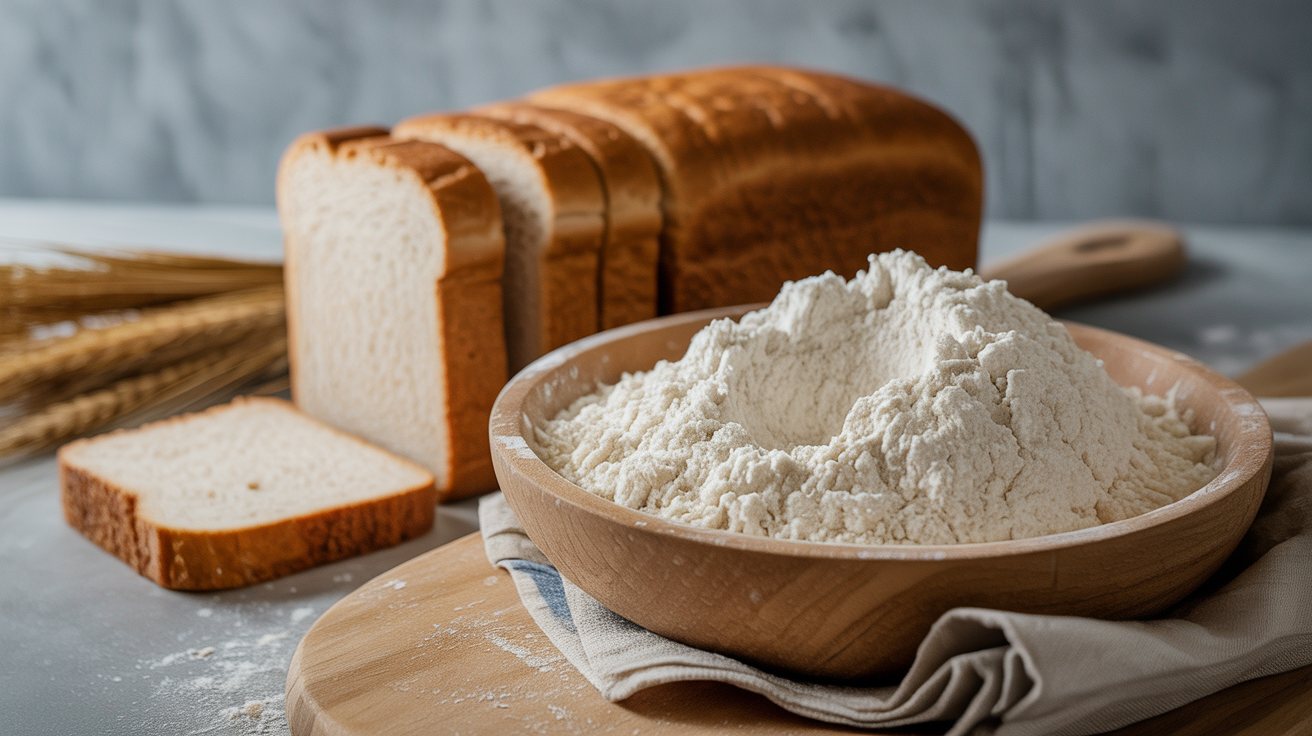
The difference between bread flour and all-purpose flour comes down to one thing: protein. More protein means more gluten, and more gluten means a chewier crumb and a loaf that holds its shape as it rises. That single fact explains almost every practical question about these two flours.
Most home bakers start with all-purpose because it lives in the pantry anyway. And it works fine for a lot of breads. But once you understand what the protein difference actually does to a loaf, you can make a real decision instead of just grabbing whatever bag is on the shelf.
What Protein Content Actually Does
Flour protein is made up of two compounds, glutenin and gliadin, that link together when mixed with water to form gluten. The higher the protein percentage, the more gluten a dough can develop, and the stronger and more elastic that dough becomes.
Strong gluten networks do two jobs at once. First, they trap the carbon dioxide that yeast produces during fermentation, which is how dough rises. Second, they give the baked loaf structure so it doesn't collapse when you pull it from the oven. A slack, under-developed gluten network lets gas escape and produces a dense, flat result.
| Flour Type | Typical Protein % | Best Uses | Crumb and Chew |
|---|---|---|---|
| Bread flour | 12-14% | Sandwich loaves, sourdough, bagels, pizza dough | Chewy, open crumb, sturdy crust |
| All-purpose flour | 10-12% | Everyday loaves, quick breads, flatbreads, soft rolls | Tender, softer crumb, lighter chew |
| Cake flour | 7-9% | Cakes, tender pastries | Very soft, fine crumb |
| Whole wheat flour | 13-14% | Whole grain loaves, hearty sandwich bread | Dense, nutty, tight crumb |
The gap between bread flour and all-purpose looks small on paper, but two to four percentage points of protein makes a noticeable difference in how a dough handles and how the finished loaf feels in your mouth.
How Bread Flour Behaves
Bread flour dough is stiffer and more elastic. You can feel it: it pushes back when you stretch it, snaps back into shape, and holds a tight ball during shaping. That elasticity is the gluten doing its job.
Because the dough is stronger, it traps gas more efficiently. That is how you get the open, irregular crumb you see in a good sourdough or a well-made baguette. The bubbles are large and unevenly distributed because the gluten network is strong enough to stretch thin without tearing.
Bread flour also absorbs slightly more water than all-purpose, so recipes written for it tend to call for a higher hydration. If you swap in all-purpose without adjusting the water, you may end up with a stickier dough than intended.
For long fermentation doughs (overnight cold proofs, sourdough, enriched doughs like brioche), bread flour holds up better. The extended fermentation breaks down some gluten over time, and starting with a stronger flour gives you a safety margin.
How All-Purpose Flour Behaves
All-purpose flour is deliberately formulated to sit in the middle of the spectrum. It is strong enough for yeast bread and soft enough for pastry, which is why it earned its name.
Doughs made with all-purpose are a little slacker and easier to work with. They are more forgiving if you over-knead or under-knead, and they feel less tight during shaping. The baked result has a softer, more tender crumb and a thinner crust.
For a simple sandwich loaf that you want to slice easily and use for toast, all-purpose flour often produces a better result than bread flour would, because tenderness matters more than chew. The same goes for enriched breads, soft dinner rolls, and flatbreads like focaccia.
Worth noting: all-purpose flour protein content varies by brand. American brands like King Arthur all-purpose sit closer to 11.7%, which is on the high end for all-purpose and behaves almost like a light bread flour. Cheaper store-brand all-purpose can be as low as 10%, which produces noticeably softer results.
When to Use Bread Flour
Reach for bread flour when chew and structure are the whole point of the recipe.
Sourdough and artisan loaves. These rely on a strong gluten network built through folding and long fermentation rather than heavy kneading. Bread flour gives you more to work with.
Bagels. The characteristic dense, chewy bite comes from high-protein dough. All-purpose bagels turn out soft and bready, which misses the point.
Pizza dough. If you want a crust that has some pull to it, bread flour is the right call. Thin-crust styles especially benefit from the extra gluten development.
High-hydration doughs. Recipes at 75% hydration or above are easier to handle with bread flour because the stronger gluten provides more structure to an otherwise sticky dough.
A kitchen scale matters more with bread flour than with all-purpose, because the higher absorption rate means a few extra grams of water can shift a dough from workable to unmanageably sticky. Volume measurements are not precise enough to account for that.
When All-Purpose Flour Is Fine
Most beginner bread recipes are written for all-purpose, and for good reason. It is more available, cheaper, and the results are still genuinely good bread.
Sandwich loaves. A classic white or wheat sandwich loaf baked in a loaf pan does not need the high-gluten structure of bread flour. The pan provides the shape; the flour just needs to rise cleanly and taste good.
Quick breads and flatbreads. Zucchini bread, banana bread, soda bread, and pita do not rely on gluten development at all. All-purpose is the right choice.
Beginner loaves baked in a Dutch oven. Speaking of which, if you have not tried baking bread in a Dutch oven, the steam trapped inside the pot does a lot of the structural work. It gives even an all-purpose dough a crisp crust and good oven spring. You can produce a genuinely impressive loaf with all-purpose and a Dutch oven before you ever open a bag of bread flour.
Enriched doughs. Brioche, milk bread, and cinnamon rolls have fat and sugar mixed in, which physically shortens gluten strands. High-protein bread flour fights against the soft texture you are going for. Most enriched dough recipes call for all-purpose for exactly this reason.
Can You Substitute One for the Other?
Yes, with some adjustments to your expectations.
Swapping all-purpose for bread flour: Your loaf will be slightly less chewy and may not rise quite as high. The flavor will be the same. For most everyday recipes, you will barely notice the difference. Reduce the water by about a tablespoon per cup of flour to account for the lower absorption, or just accept that the dough will be slightly softer.
Swapping bread flour for all-purpose: The dough will feel stickier and more slack than the recipe describes. You may need to add a little extra flour during shaping to manage it. The finished loaf tends to spread a bit more and has a more open, softer crumb. Not a disaster, just different. Add roughly a teaspoon of water per cup of flour if the dough feels too stiff.
In both cases, the swap works better for straight doughs (commercial yeast, shorter fermentation) than for sourdough or long cold-proofed recipes where gluten strength matters more.
If you are building out your baking setup, having both flours on hand is genuinely useful. Start with the essential tools for beginner bread bakers and add bread flour to your pantry once you are ready to try sourdough or bagels.
Frequently Asked Questions
Does bread flour make bread taste different?
Not meaningfully. Both flours are made from wheat, and neither has a strong flavor on its own. The taste difference you notice between a chewy artisan loaf and a soft sandwich loaf comes from the fermentation process and the recipe, not from the flour type.
Is bread flour worth buying if you only bake occasionally?
If you bake more soft loaves and quick breads than chewy artisan bread, all-purpose will serve you well. Buy bread flour when you have a specific recipe that calls for it. Once you start making sourdough regularly, it becomes a pantry staple.
Can you use bread flour for pizza dough?
Yes, and many pizza recipes specifically call for it. The extra protein gives you a crust with good pull and chew. All-purpose works too, especially for softer, thicker crusts.
What about self-rising flour? Can you use that for bread?
Self-rising flour has baking powder and salt already mixed in, which makes it useful for quick breads and biscuits. It is not suitable for yeast breads, because the leavening agents in the flour would interfere with the yeast fermentation.
Why does my bread come out dense even with bread flour?
Dense bread is usually a fermentation problem, not a flour problem. Under-proofed dough (not enough time for the yeast to produce gas) or over-proofed dough (the gluten structure has weakened and the gas has escaped) both produce tight, heavy crumbs. Check your yeast is active, give the dough enough time to proof, and make sure your shaping is tight enough to hold the structure during baking.