Troubleshooting
Why Is My Bread Gummy in the Middle?
Gummy bread usually means it was cut too soon or pulled from the oven early. Here's how to fix it and bake a fully set loaf every time.
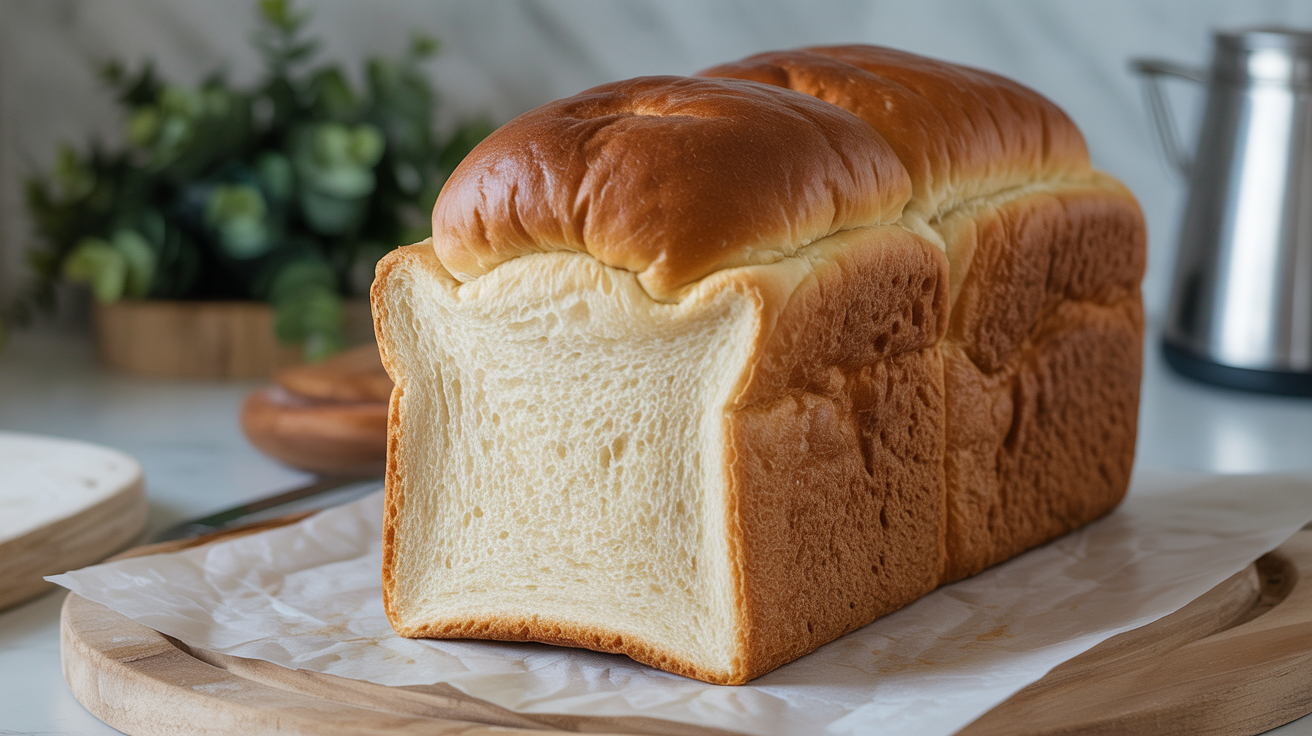
You slice into a loaf that looked perfect coming out of the oven, and the crumb peels away in sticky, doughy clumps. That gummy bread middle is one of the most common complaints from home bakers, and the good news is that it almost always comes down to one of two things: the loaf came out of the oven before the inside was fully set, or you sliced it before it had time to cool. Fix either of those, and the problem disappears.
There are a few other causes worth knowing, especially if you bake sourdough regularly. This guide walks through each one so you can figure out exactly what went wrong and prevent it from happening again.
The Most Common Cause: Underbaking
A bread gummy inside is a strong sign that the center never reached the temperature needed to fully cook through. The outside can brown quickly, especially if your oven runs hot or your loaf is on the dark side, but a deep color on the crust does not mean the interior is done.
The most reliable way to check doneness is an instant-read thermometer. Tapping the bottom and listening for a hollow sound is a traditional method, but it is easy to misread. A thermometer gives you a real number.
Target Internal Temperatures
| Bread Type | Target Temp (°F) | Target Temp (°C) |
|---|---|---|
| Lean loaves (sourdough, baguette, country bread) | 205-210°F | 96-99°C |
| Enriched loaves (brioche, milk bread, sandwich loaves) | 190-195°F | 88-91°C |
Enriched doughs contain fat and eggs, which set at a lower temperature. If you push a brioche to 210°F, it dries out. Lean sourdoughs need to go higher because the open crumb structure requires more of the moisture to cook off.
If your thermometer reads below these numbers, the loaf goes back in. Even 5 to 10 degrees short can leave a noticeably doughy bread middle. Cover the top loosely with foil if the crust is already dark, and give it another 8 to 10 minutes.
Slicing Too Early: The Starch Problem
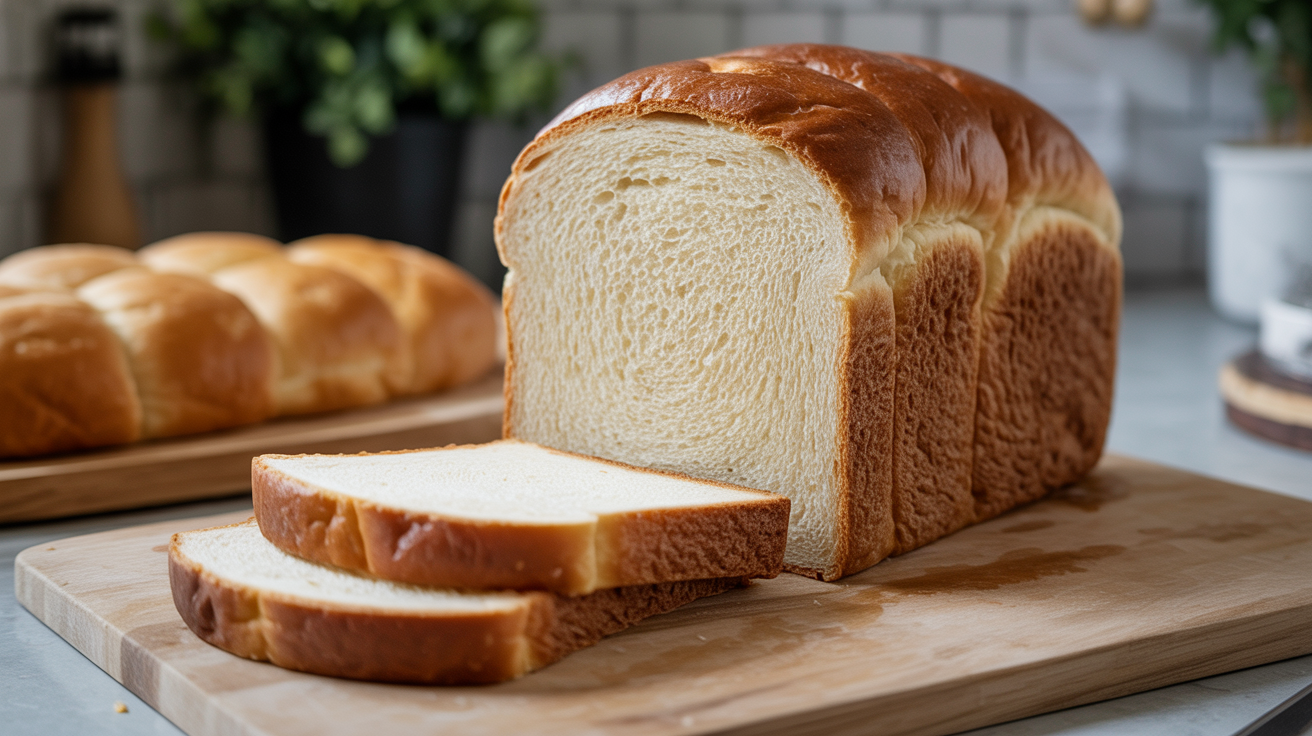
This one trips up a lot of bakers because the bread looks done and smells incredible, so the natural instinct is to cut in immediately. But slicing into a hot loaf is a reliable way to create a gummy texture even when the bread was baked correctly.
Here is what happens inside a baking loaf: starch granules absorb water and swell during baking, a process called gelatinization. When the loaf comes out of the oven, those starches are still hot and fluid. As the bread cools, the starches firm up and the crumb sets into its final structure. Cut it open while that process is still underway, and you expose soft, sticky interior that pulls apart in gluey layers.
For most lean loaves, a minimum of one hour of cooling on a wire rack is the baseline. A large sourdough boule benefits from two hours, sometimes longer. Resist the urge to speed things along by putting the loaf in the fridge. Rapid chilling can actually make staling happen faster without solving the immediate gumminess issue.
The wire rack matters too. If you rest a hot loaf on a flat surface, steam gets trapped underneath and the bottom crust softens, adding to the doughy impression when you cut in.
Poor Gluten Development and Overproofing
Underbaking is the most common culprit, but gummy bread can also come from structural problems in the dough itself. If gluten development was weak or the dough overproofed, the crumb structure collapses, and the result can feel dense and slightly tacky even when baked all the way through.
Weak gluten happens when dough is not mixed or kneaded enough. Without a strong gluten network, gas bubbles merge into large, irregular pockets and the crumb cannot support itself. The bread may look risen but deflates during baking.
Overproofed dough has the opposite problem: the yeast exhausts itself before the bake, and there is no oven spring to push the loaf open. The crumb ends up tight and heavy, with a gummy, compressed texture. If you have ever wondered about the difference between a dough that went too far and one that did not go far enough, the guide on overproofed vs. underproofed dough and how to tell the difference breaks down the visual and tactile signs for each.
Dense, gummy bread from gluten or proofing issues often comes paired with poor rise. If that sounds familiar, the troubleshooting checklist for bread that did not rise is worth reading alongside this one.
Why Sourdough Is More Prone to Gumminess
Sourdough gets its own section because it is genuinely more challenging in this area. Several properties of sourdough make it more likely to produce a gummy crumb if anything is slightly off.
First, sourdough loaves tend to be wetter. High hydration doughs (anywhere from 70% to 80% and above) carry more water that has to cook off during baking. If the loaf is pulled even slightly early, there is simply more moisture left in the crumb.
Second, the organic acids produced during fermentation affect starch behavior. The slightly acidic environment changes how starches gelatinize and then firm up as the loaf cools. This means sourdough almost always needs the full cooling time, often closer to two hours, before the crumb stabilizes.
Third, sourdough baked in a Dutch oven can fool you. The enclosed environment creates steam that drives a dramatic oven spring, and the crust browns deeply. The outside looks spectacular, but the interior may not have caught up yet. Always check with a thermometer before pulling a Dutch oven loaf.
If your sourdough crumb consistently comes out gummy, consider baking it to the higher end of the lean-loaf temperature range (closer to 210°F) and letting it cool completely before slicing, even if that means waiting until the next morning.
How to Bake a Fully Set Loaf
A few habits combined make a reliable difference:
Use a thermometer. An instant-read thermometer is cheap and removes all guesswork. Insert it into the center of the loaf through the bottom crust to avoid marking the top.
Trust the temperature, not the color. Crust color varies based on your oven, your pan, and the sugar content of the dough. Temperature is consistent.
Cool completely on a wire rack. At minimum one hour for smaller loaves, two or more for large boules. Keep the loaf off countertops so air can circulate underneath.
Bake with steam, then without. If you use a Dutch oven, remove the lid for the last 15 to 20 minutes of baking so moisture can escape the crumb. If you bake on a stone or sheet pan, use a steam pan for the first part of the bake, then remove it.
Check your oven temperature. Ovens run cooler than their dials suggest. An oven thermometer (not the same as a bread thermometer) will tell you if you are actually baking at the temperature you set. If your oven runs 25 degrees cool, your loaves will consistently come out underbaked.
For dense results that accompany the gumminess, it is worth also reviewing the most common reasons bread turns out dense and how to fix them.
Frequently Asked Questions
Is gummy bread safe to eat?
Yes, as long as the bread was baked to at least 190°F internally, it is fully cooked and safe to eat. The gummy texture is a quality issue, not a food safety one. Underbaked bread below that temperature is a different matter and should go back in the oven.
Can I fix gummy bread after it is already baked?
Sometimes. If you slice into a loaf and find a gummy interior, you can put the cut halves face-up in a 300°F oven for 10 to 15 minutes to dry out the crumb a bit. It will not fully replicate a properly baked loaf, but it helps. This works better with smaller loaves than large boules.
Why is my sourdough gummy on the bottom specifically?
A gummy bottom usually means the loaf sat on a surface that trapped steam during cooling. Always cool on a wire rack. It can also mean the bottom crust did not get enough direct heat during baking. Preheating your Dutch oven or baking stone before loading the dough helps the bottom crust set quickly.
My bread passes the temperature test but still feels gummy. What else could it be?
If the temperature was right and you cooled it fully, the issue is likely in the dough structure. Sticky, gummy crumb in a bread that reached 205°F+ usually points to overproofing, weak gluten development, or very high hydration that needed more time in the oven than the recipe suggested. Each loaf is slightly different depending on your flour, water, and ambient conditions.
How long should I really wait before slicing?
For a standard sandwich loaf, 45 minutes to one hour is usually enough. For a round sourdough boule, two hours is a better target. The crumb is still actively setting as the loaf cools, and slicing early disrupts that process even when the bread is technically done. If you can wait longer, the texture will be better for it.