Troubleshooting
Why Is My Bread So Dense? Seven Common Causes and Fixes
Dense homemade bread is almost always a gas problem. Here are seven specific causes and the fixes that actually work.
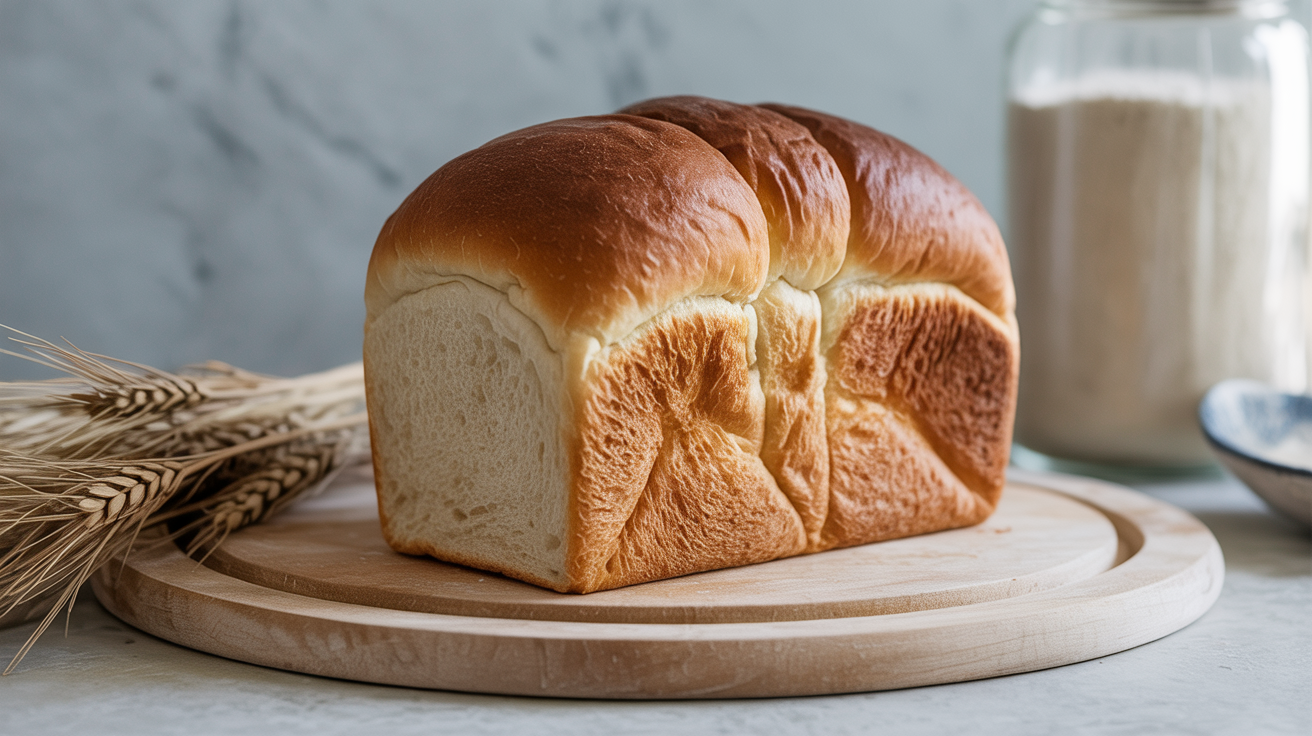
You pull the loaf out of the oven, tap the bottom, and it sounds like a brick. The crumb is tight, the texture is chewy in all the wrong ways, and every slice feels like it weighs a pound. Dense bread is one of the most common complaints for home bakers, and the good news is that it almost always comes down to one thing: gas.
Yeast produces carbon dioxide as it eats sugars in the dough. That gas gets trapped in tiny pockets formed by gluten strands. Cut either variable short and the loaf won't rise enough. So when you're chasing a dense bread fix, your first job is to figure out whether the problem was not enough gas produced, or not enough gas held. The seven causes below cover both sides.
Quick Diagnosis Table
| What the loaf looks like | Most likely cause | Where to start |
|---|---|---|
| Flat, barely rose at all | Dead yeast or cold dough | Test your yeast, check proof temperature |
| Rose a little, then collapsed | Overproofed (too much gas escaped) | Shorten the final proof |
| Dense but tall, tight crumb | Under-kneaded (weak gluten) | Extend knead time or use stretch-and-fold |
| Dense and gummy inside | Under-baked or too much liquid | Check internal temp, reduce hydration slightly |
| Heavy loaf, decent height | Too much whole grain flour | Swap some back to bread flour |
| No oven spring at all | Oven too cool or not preheated | Use an oven thermometer |
| Doughy center, dense crumb | Underproofed | Let it go longer before baking |
1. Dead or Old Yeast
This is the most common reason bread doesn't rise enough, and it's the easiest to confirm before you've wasted an afternoon. Yeast is a living organism. If it's past its expiration date, stored in a warm spot, or been open too long, it may simply be dead.
How to spot it: The dough barely grew during the bulk rise. Or it smelled off from the start, more like alcohol than the gentle yeasty tang you expect.
The fix: Proof your yeast before you mix. Add it to about 60ml of warm water (35-38°C / 95-100°F) with a pinch of sugar, and wait 10 minutes. You should see a foamy cap form. If nothing happens, the yeast is gone. Buy a fresh packet and store it in the freezer after opening.
One subtle trap: water that's too hot kills yeast just as effectively as old yeast does. Anything above 43°C (110°F) damages it. If you're mixing by feel, "warm on the wrist" is roughly right. Too cool is safer than too hot.
2. Under-Kneading or Weak Gluten Development
Gluten is the protein network that traps the gas yeast produces. Under-knead the dough and the network is too weak to hold it. Gas escapes instead of stretching the crumb, and you end up with a heavy, homemade bread that's more doorstop than dinner.
How to spot it: The dough tears easily, feels shaggy, and doesn't pass the windowpane test (where you stretch a small piece thin enough to see light through without it breaking).
The fix: Keep kneading. Most white sandwich loaves need 8-10 minutes by hand. The dough should become smooth, slightly tacky (not sticky), and elastic. If you're doing a high-hydration dough, use the stretch-and-fold method instead: every 30 minutes during the bulk rise, pull the dough up from one side and fold it over itself. Four sets of this, and your gluten will be strong enough to do the job.
3. Underproofing
Proofing is where the dough builds up its gas and the gluten relaxes into the shape you want. Cut it short and there simply isn't enough air in the loaf to give you an open crumb. This is one of the most reliable causes of heavy, dense bread.
How to spot it: The dough springs back quickly (within 1-2 seconds) when you poke it with a floured finger. It hasn't grown much. The baked loaf is pale, compact, and the slices look almost solid.
The fix: Let it go longer. The poke test is your friend. When you press a finger about 1cm into the shaped loaf, it should spring back slowly and not quite fill the indent. That's the sign it's ready. Room temperature, flour type, and salt levels all affect how long this takes. Don't go by time on the recipe alone.
For a deeper look at spotting the difference between too little and too much proof, this guide on overproofed vs underproofed dough walks through the physical cues side by side.
4. Overproofing Collapse
Overproofing is the opposite problem, but it produces a similar result. The dough builds up a lot of gas during the proof, but the gluten network gets stretched so far it can't hold the structure anymore. When the loaf hits the oven, the gas expands briefly and then the whole thing collapses inward. The crumb ends up dense, sometimes gummy, with a sunken top.
How to spot it: The dough barely springs back when you poke it, or the indent stays completely. The baked loaf may have a flat or slightly concave top. The texture is often coarser than underproofed bread but still heavy.
The fix: Bake sooner. If you're doing a cold overnight proof in the fridge, remember that dough keeps fermenting at low temperatures, just slowly. A dough that needed 8 hours yesterday might be overdone after 12. Check it earlier. If you suspect you've already overproofed, you can reshape the dough gently (degassing it slightly), let it do a shorter second rise, and bake. It won't be perfect, but it's better than a collapsed loaf.
5. Too Little Water (Low Hydration)
Hydration has a real effect on crumb texture. A drier dough (roughly 55-60% hydration) produces a tighter, more compact crumb. That's not always wrong, but if you're chasing an open, light loaf and your recipe accidentally comes out stiff, you'll get dense bread.
How to spot it: The dough felt stiff and hard to work from the start. It didn't relax much and felt more like clay than bread dough.
The fix: Add a small amount of water next time, 1 tablespoon at a time, until the dough feels soft and slightly tacky. For a basic white sandwich loaf, 65-70% hydration (650-700ml water per 1kg flour) is a good starting range. Bread flour absorbs more than all-purpose flour, so results vary.
One thing worth checking: if the dough felt right at first but the finished loaf was gummy in the center as well as dense, that's more likely a baking or humidity issue. There's more detail on that in the article on why bread comes out gummy in the middle.
6. Too Much Whole-Grain Flour or Add-Ins
Whole wheat flour, rye, and oat flour all add flavor and nutrition, but they also make denser bread. The bran particles in whole-grain flours physically cut through gluten strands as they form, weakening the network. Seeds, nuts, and dried fruit add weight without adding any lift. The more of these you use, the heavier the loaf tends to be.
How to spot it: You followed a white-bread recipe but swapped some or all of the flour for whole wheat, or added a cup of seeds. The dough may have felt fine, but the loaf baked up noticeably heavier than you expected.
The fix: Blend whole-grain flours with bread flour rather than substituting 1:1. A ratio of 25-30% whole wheat to 70-75% bread flour gives you some of the flavor and fiber without killing the rise. You can also try a preferment (a small batch of flour and yeast mixed the night before) to give whole-grain doughs extra fermentation time, which improves both lift and flavor.
7. Oven Not Hot Enough
The first few minutes in a hot oven produce what bakers call "oven spring." The heat causes the gas in the dough to expand rapidly, giving the loaf its final push upward before the crust sets. If the oven is too cool, or you haven't preheated long enough, that spring is weak and the crumb stays flat.
How to spot it: The crust is pale and soft. The loaf looks the same height as when it went in. The inside may be doughy even after the full bake time.
The fix: Get an oven thermometer. Most home ovens run 10-25°C off from the dial setting, and some run even colder. A standard white loaf bakes at 200-220°C (400-425°F). Preheat for at least 30 minutes, and if you're using a Dutch oven or baking stone, preheat those too. Cast iron especially takes a long time to reach full temperature. Steam in the first 10-15 minutes also helps the crust stay flexible long enough for the loaf to spring fully.
For a systematic check across everything that might have gone wrong with your rise, this bread rise troubleshooting checklist covers the full sequence from mixing to the oven.
Frequently Asked Questions
Can I fix dense bread after it's already baked?
Not really, once the crumb has set it's set. But you can slice it thin and toast it, which improves the texture significantly, or use it for breadcrumbs, croutons, and French toast. The next loaf is where you make the fix.
Does salt cause dense bread?
Salt does slow down yeast activity, which is actually useful for controlling fermentation speed and flavor development. But if you're adding salt directly on top of dry yeast before mixing (especially with instant yeast), you can inhibit it slightly. The safe habit is to keep salt and yeast on opposite sides of the bowl when you add them, and mix thoroughly once the water goes in.
My bread looks risen but still bakes dense. What's happening?
This often points to weak gluten rather than a yeast problem. The dough can hold its shape during proof but collapses slightly in the oven when heat causes rapid expansion the gluten can't support. Check your knead time and whether you're using bread flour (higher protein) or all-purpose (lower protein). Bread flour makes a meaningful difference for yeast loaves.
Why does my whole wheat bread always come out like a brick?
Whole wheat flour has less gluten-forming protein AND the bran cuts through what does form. For lighter whole wheat loaves, try a technique called an autolyse: mix just the flour and water, let it rest 30-60 minutes before adding yeast and salt. The flour hydrates fully and gluten starts forming on its own. Then knead as usual. You'll notice the dough handles better and the crumb opens up.
How do I know when the bread is fully baked and not just dense?
Tap the bottom of the loaf. A fully baked loaf sounds hollow rather than dull. Better yet, use an instant-read thermometer: most white sandwich loaves are done at 93-96°C (200-205°F) internal temperature. Whole wheat loaves are often better pulled at the higher end, around 95-99°C (203-210°F). If you're consistently hitting those temperatures and still getting a dense crumb, the problem was in the dough, not the bake.