Troubleshooting
Why Your Crust Is Too Hard, Too Soft, or Too Pale
Bread crust too hard, too soft, or too pale? Learn the exact causes and fixes for each crust problem, from steam and oven temp to storage habits.
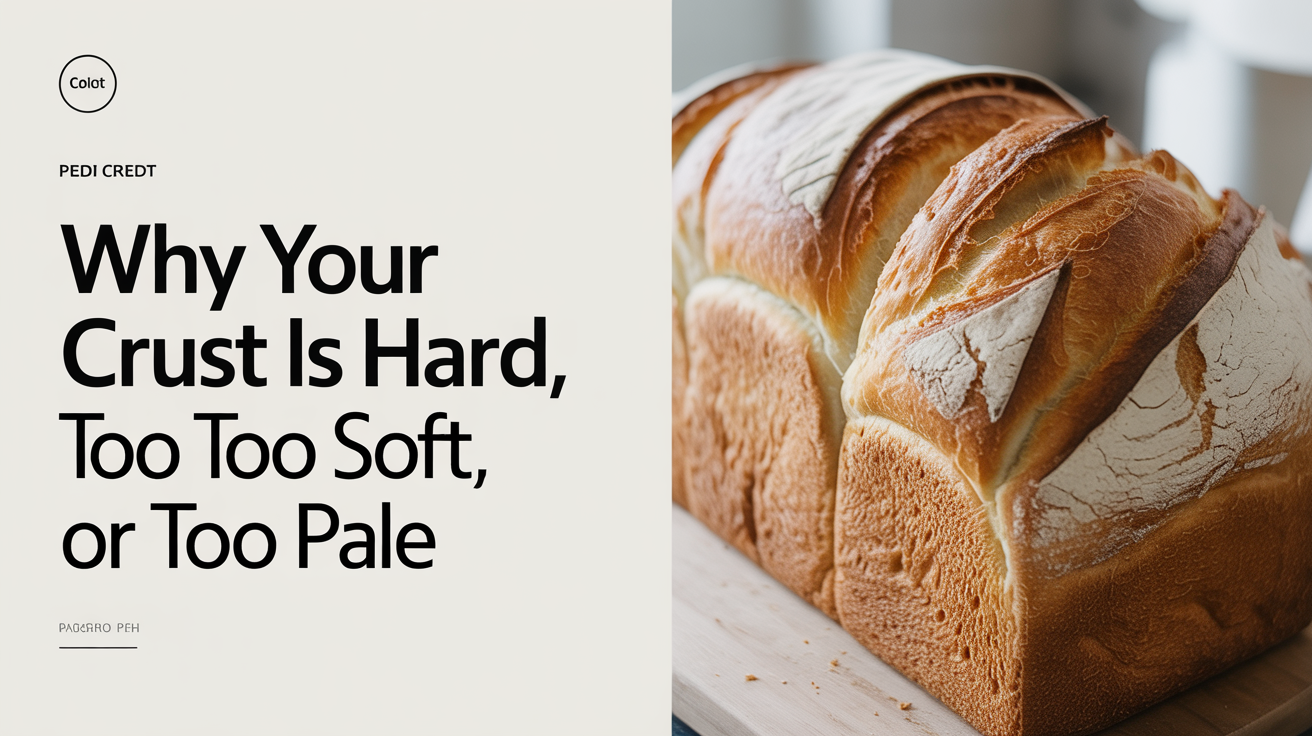
Crust problems almost always trace back to one of four things: oven temperature, steam, dough composition, or what happens after the bread comes out. Once you know which factor is off, the fix is straightforward.
At a Glance
- Too hard: usually missing steam in the first 15 to 20 minutes, an oven that ran too cool, or a bake that ran too long past the correct internal temperature.
- Too soft: usually a Dutch oven lid left on too long, cooling on a solid surface instead of a rack, or wrapping the loaf before it fully cooled.
- Too pale: usually an underpreheated oven, a dough with little or no sugar left over from fermentation, or steam that stayed on past the point where browning needs dry heat.
- Crust color comes from the Maillard reaction, a chemical browning process that needs both heat and sugar at the dough's surface; take either one away and the crust stays pale no matter how long it bakes.
- Pull bread by internal temperature, not the clock: 96 to 99°C (205 to 210°F) for lean dough, 88 to 93°C (190 to 200°F) for enriched dough.
- Storage undoes good baking fast. Plastic softens a crusty loaf within hours; an uncovered counter dries a soft loaf within a day.
Why Your Crust Turns Out Too Hard
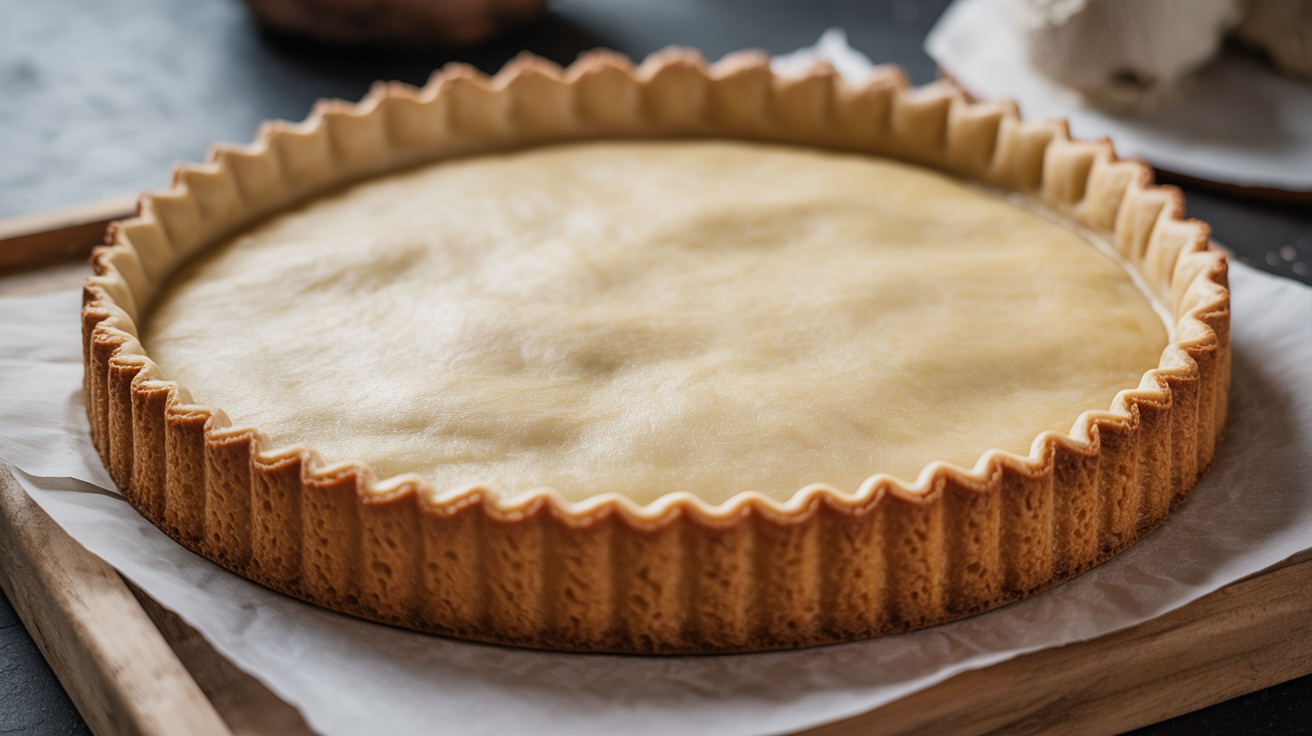
A rock-hard crust that you need to saw through is usually the result of low moisture during the bake, too much time in the oven, or both. Here is what goes wrong in each case.
Not Enough Steam in the First Stage of Baking
Bread crust sets through a two-stage process. In the first 15 to 20 minutes, you want the outer surface to stay moist and stretchy so the loaf can expand fully. Steam is what keeps it that way. Without steam, the crust locks up early, the loaf cannot spring, and you end up with a thick, brittle shell.
For Dutch-oven baking, the lid traps the loaf's own steam and handles this automatically. Remove the lid at the 20-minute mark to let the crust brown and crisp. If you bake on a sheet or stone, add steam by placing a shallow metal pan on the oven floor before preheating, then pouring about 120 ml (1/2 cup) of boiling water into it right when the bread goes in. Close the door quickly and do not open it for the first 15 minutes.
Oven Temperature Too Low or Bake Time Too Long
A lower oven temperature means more time for moisture to escape through the crust before the interior sets. Both conditions dry the crust out past the point of being crisp and into being hard.
For a standard 900-gram (2 lb) boule, aim for 230 to 245°C (450 to 475°F). A thermometer you can leave in the oven is worth buying because most home ovens run 15 to 25 degrees off their dial reading. Check the internal temperature of the bread rather than relying on clock time alone: a lean sourdough or yeast boule is done at 96 to 99°C (205 to 210°F) in the center; a soft enriched sandwich loaf is ready at 88 to 93°C (190 to 200°F).
Doneness Temperature by Bread Type
| Bread type | Internal temp target | Typical total bake time (900g loaf) |
|---|---|---|
| Lean sourdough or yeast boule | 96 to 99°C (205 to 210°F) | 35 to 45 minutes |
| Rustic country loaf, moderate hydration | 94 to 97°C (201 to 207°F) | 30 to 40 minutes |
| Enriched sandwich loaf (milk, butter) | 88 to 93°C (190 to 200°F) | 25 to 35 minutes |
| Dinner rolls, small enriched shapes | 88 to 91°C (190 to 196°F) | 15 to 20 minutes |
Dough That Is Too Lean
Breads with no fat or sugar in the recipe form thicker, harder crusts than enriched doughs. That is partly by design: a baguette or country loaf is supposed to have a shattering crust. But if you want a thinner, less rigid crust from a lean dough, the main levers are steam (more of it) and a shorter bake time once the crust has colored.
If you want a genuinely soft crust, add fat and a small amount of sugar to the dough. Around 2 to 3 percent fat by flour weight (20 to 30 grams of butter or oil for a 1,000-gram flour recipe) and 1 to 2 percent sugar keeps the crust tender by coating gluten strands and retaining a little moisture.
Why Your Crust Stays Too Soft or Limp
A soft, almost rubbery crust is the opposite problem. It usually means the crust did not have enough time to dry and set, or that moisture was reabsorbed after baking.
Insufficient Oven Time or Premature Removal
If the internal temperature is right but the crust is still soft, try this: turn the oven off, prop the door open a few centimeters, and leave the bread inside for 10 minutes. The residual heat dries the crust without burning it. This step is especially helpful for sourdough with a higher hydration dough, where the interior holds a lot of steam until the very end of the bake.
Also check that you are pulling the lid off the Dutch oven at the right point. Keeping the lid on for the full bake traps steam the whole time, which prevents the crust from browning and drying. Twenty minutes covered, then uncovered until done, is the standard starting point. A lid left on for the full 35 to 40 minutes is one of the most common reasons a Dutch-oven loaf comes out with a pale, soft top even though the bottom crust is fine.
Cooling on a Solid Surface or Wrapping Too Soon
Even a well-baked loaf will soften if you set it on a cutting board or solid sheet pan straight from the oven. Steam trapped underneath the base condenses back into the bottom crust. Cool the bread on a wire rack so air can circulate on all sides.
Equally important: wait until the loaf is completely cool before wrapping or bagging it. The internal temperature after baking is still around 96°C (205°F), and steam continues to migrate outward for 30 to 45 minutes. Sealing it in a bag traps that steam inside the crust, turning it soft. For a lean sourdough or crusty baguette, cool uncovered for at least an hour before cutting.
Why Your Crust Is Too Pale
A pale, anemic-looking crust that does not brown properly points to one of three issues: too little heat, not enough sugar for Maillard browning, or steam left on too long.
Oven Not Hot Enough at the Start
Browning requires high surface heat. If your oven has not finished preheating when the bread goes in, the surface warms slowly and the crust can set before it has had time to brown. Preheat for at least 45 minutes when using a Dutch oven or baking stone. The thermal mass needs that extra time to absorb heat, even after the oven display says it is ready.
No Sugar or Very Low Sugar in the Dough
Crust color comes from a specific chemical process. The Maillard reaction is a reaction between amino acids and reducing sugars at the dough's surface that produces the brown compounds responsible for both color and flavor in a baked crust, and it proceeds fastest in roughly the 140 to 165°C (280 to 330°F) range, well within a normal bread oven. Most lean bread doughs rely on residual sugars left over from fermentation, which is enough for a decent color at high heat. If your dough has under-fermented, those sugars get consumed incompletely and there is not much left to brown. This is one reason pale crust and dense crumb often appear together. Check for proper fermentation signs: the dough should roughly double and feel airy rather than tight.
For enriched recipes, adding even 10 to 15 grams of sugar or honey per 500 grams of flour gives the crust more material to brown without making the bread noticeably sweet. An egg wash works the same way from a different angle, since the proteins and residual sugars in beaten egg brown quickly and give a shortcut to color on doughs that otherwise struggle to darken.
Steam Left On Too Long
Counterintuitively, too much steam late in the bake can prevent browning. Steam keeps the crust surface wet and cool, and a wet surface cannot climb into the temperature range where Maillard browning happens quickly. If you are using a covered Dutch oven and the crust is pale, try removing the lid 5 minutes earlier than usual, or increase the oven temperature by 10 to 15 degrees for the uncovered portion of the bake. King Arthur's yeast baking guide covers this same shaping-and-baking window, including how to judge doneness by color and sound rather than the clock alone, which is a useful cross-check once you have the temperature basics down.
Cause and Fix Reference
| Problem | Most Likely Cause | Fix |
|---|---|---|
| Crust too hard, thick | No steam in first 15 min | Bake covered, or add steam pan |
| Crust too hard, thick | Oven temp too low | Use oven thermometer; target 230 to 245°C |
| Crust too hard, thick | Bake time too long | Pull at correct internal temp (96 to 99°C) |
| Crust too hard, thick | Lean dough | Add 2 to 3% fat by flour weight |
| Crust too soft, limp | Lid on entire bake | Remove lid after 20 min |
| Crust too soft, limp | Cooled on solid surface | Always cool on a wire rack |
| Crust too soft, limp | Wrapped while still warm | Wait until fully cool before sealing |
| Crust pale, no color | Oven not fully preheated | Preheat 45+ min, especially with stone |
| Crust pale, no color | Under-fermented dough | Look for proper rise signs before baking |
| Crust pale, no color | Steam left on too long | Uncover 5 min earlier |
Storing Bread Without Ruining the Crust
Storage method has a direct effect on crust texture, often more than baking method does. A loaf that came out of the oven perfectly can still end up soft and disappointing a few hours later if it is stored the wrong way.
For crusty lean breads (sourdough boules, baguettes, country loaves): leave them cut-side-down on a cutting board or store them in a paper bag, not a plastic one. Plastic traps moisture and softens the crust within a few hours. If you need to keep the bread for more than two days, slice and freeze it rather than leaving it on the counter wrapped in plastic.
For soft sandwich loaves: a sealed plastic bag or airtight bread box is the right choice, because the goal is to keep the crust soft. These loaves use fat and sometimes milk in the dough, and the enriched crust reabsorbs a little moisture from the inside without turning rubbery.
Do not refrigerate bread if you can avoid it. Refrigerator temperatures accelerate staling much faster than room temperature. Freezing, by contrast, pauses staling almost entirely, which makes it the better choice any time you know a loaf will sit for more than three or four days before you finish it.
If crust problems come along with a tight, heavy crumb, the two issues often share a root cause. Check why your bread is so dense for a full breakdown. If the inside of the loaf looks gummy even when the crust seems fine, that is a separate problem covered in why bread is gummy in the middle. And if the loaf barely rose before you even got to baking, start with the rise troubleshooting checklist.
Frequently Asked Questions
Why is my sourdough crust incredibly hard even though I used a Dutch oven?
The two most common reasons are baking at too low a temperature, or leaving the loaf in the oven too long after the lid comes off. Check that the oven is fully preheated (at least 45 minutes), use an oven thermometer to confirm actual temperature, and pull the loaf when the internal temperature reaches 96 to 99°C (205 to 210°F). Also try finishing with the oven door propped open for the last few minutes rather than a full extra 10 to 15 minutes at full heat.
How do I soften a bread crust that has already come out too hard?
Wrap the cooled loaf loosely in a damp kitchen towel and let it sit for 20 to 30 minutes. The moisture migrates in and softens the crust slightly. You can also wrap slices in foil and warm them in a low oven (about 150°C / 300°F) to steam the crust from within. These are workarounds for an already-finished loaf, not fixes for the next bake.
My bread crust is fine right out of the oven but gets hard within a few hours. Why?
This is a storage issue. Lean breads left uncovered lose moisture to the air quickly, which makes the crust harder over time. Switch to storing cut-side down on a board, in a paper bag, or in a fabric bread bag. Avoid plastic, which paradoxically causes a different problem by trapping moisture and eventually making the crust go chewy and soft.
Can adding egg wash help with a pale crust?
Yes. Brushing the shaped loaf with one egg beaten with a tablespoon of milk before baking adds proteins and sugars that brown readily through the same Maillard chemistry that colors any lean crust, just with more raw material to work with. This works well for enriched doughs, dinner rolls, and burger buns. It is less common for lean sourdough, but it is a useful fallback if your oven cannot reach full temperature.
Does bread type affect how the crust should feel?
Yes. A sourdough boule should have a firm, crackling crust that softens slightly after slicing. A milk sandwich loaf should have a thin, soft crust. If you are comparing your results to a recipe, make sure you are expecting the right texture for that style of bread, because the standards are quite different across categories.
Why does my crust turn out blistered instead of smooth?
Blistering usually comes from excess surface moisture combined with strong oven spring, most often in high-hydration sourdough baked with generous steam. It is generally a cosmetic feature rather than a flaw, and many bakers consider it a sign of good fermentation and a well-steamed bake. If you prefer a smoother crust, dial back the steam slightly after the first 10 minutes, or degas the surface a little more firmly during shaping.
My crust is hard on the bottom but fine on top. What is going on?
This usually means the loaf sat too close to the bottom heating element, or baked directly on a thin metal sheet that conducts heat too aggressively into the base. Move the rack up one position, bake on a doubled sheet pan or a baking stone that diffuses heat more evenly, and check that your oven's bottom element is not running hotter than the thermostat suggests.