Getting Started
How to Read a Bread Recipe: Baking Terms Every Beginner Should Know
A plain-English glossary of bread recipe terms, grouped by stage, so autolyse, bulk ferment, and bench rest stop being guesswork.
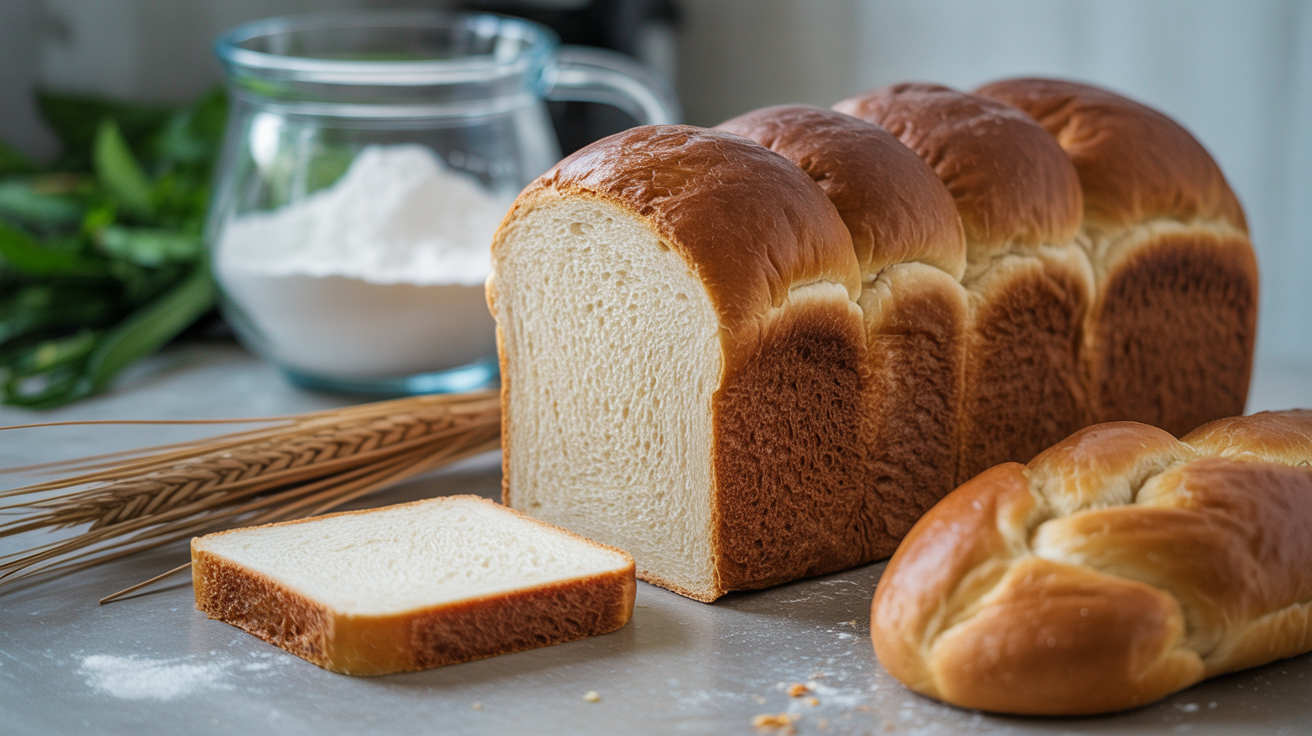
Open almost any bread recipe past the beginner level and you will run into a wall of bread recipe terms that nobody bothered to define: autolyse, bulk ferment, bench rest, hydration percentage, windowpane test. None of it is complicated once you know what it means. Most of it is just shorthand bakers use so they do not have to re-explain the same steps every time. This guide walks through the words you will actually hit in a typical recipe, grouped by the stage of the process where they show up, so you can read a recipe front to back and know exactly what it is asking you to do.
You do not need to memorize this list before you bake. Keep it open in another tab the first few times you follow a recipe here, and the vocabulary will stick on its own after a loaf or two.
Bread Recipe Terms From the Mixing Bowl
This is the stage where a pile of flour, water, salt, and yeast (or a sourdough starter) becomes something you can actually call dough. The words here describe how the ingredients combine and how the gluten network starts forming.
| Term | What it means |
|---|---|
| Hydration | The ratio of water to flour by weight, written as a percentage. Higher hydration means a wetter, stickier dough. See what dough hydration is and why it matters for the full breakdown. |
| Baker's percentage | A way of writing a recipe where every ingredient is a percentage of the total flour weight, not a fixed cup or gram amount. It is how professional recipes scale up or down. Full explanation here: baker's percentages explained. |
| Autolyse | A rest period, usually 20 to 60 minutes, where flour and water sit mixed together before salt and yeast go in. It lets the flour hydrate fully and starts gluten development without any kneading. |
| Gluten development | The process of building the stretchy protein network (from the flour's gluten proteins) that traps gas and gives bread its structure. Kneading, folding, and time all build it. |
| Windowpane test | A check for gluten development: stretch a small piece of dough thin enough to see light through it without tearing. If it tears immediately, the dough needs more development. |
The four ingredients doing all this work, flour, water, salt, and yeast, each have a specific job in the dough. If you want the short version of what each one actually contributes, the four ingredients in real bread covers it in plain terms.
Bread Recipe Terms From the Fermenting Stage
Fermentation is where flavor develops and the dough gains volume, mostly while you are doing something else. This is also where sourdough and yeasted bread recipes start to diverge in vocabulary.
| Term | What it means |
|---|---|
| Bulk fermentation (bulk ferment) | The first long rise, after mixing and before shaping, when the dough as a whole mass ferments and develops flavor. |
| Starter (or levain) | A mix of flour and water kept alive with wild yeast and bacteria, used instead of commercial yeast in sourdough baking. A levain is often a smaller, freshly built portion of starter mixed just for one bake. |
| Stretch and fold | A gentle technique done during bulk fermentation: stretch one side of the dough up and fold it over itself, rotate, repeat. It builds strength without the aggressive kneading a firmer dough would need. |
| Proof (proofing) | The final rise after shaping, right before baking. This is also the answer to what does proof mean in baking: it is the dough's last chance to gain gas and volume before the oven sets its structure. |
| Retard (retarding) | Slowing fermentation by moving the dough to the refrigerator, usually overnight. Cold temperatures let flavor develop slowly without over-proofing the dough. |
If a recipe says "bulk ferment until doubled" or "proof until puffy," it is describing a visual and tactile cue, not a strict clock. Warmer kitchens move faster through both stages; cooler kitchens take longer. That variation is normal, not a sign you did something wrong.
Bread Recipe Terms From Shaping
Shaping is the short, hands-on stretch between fermentation and the oven. Recipes lean on a handful of terms here that describe both the process and the resulting loaf shape.
| Term | What it means |
|---|---|
| Bench rest | A short rest, usually 15 to 30 minutes, after dividing the dough and before final shaping. It relaxes the gluten so the dough shapes without fighting back. |
| Shaping | Working the dough into its final form, building surface tension so it holds together and rises upward rather than spreading flat. |
| Boule | A round loaf, the classic shape for a Dutch-oven bread. |
| Batard | An oval, torpedo-shaped loaf, common for baguette-style breads baked free-form on a stone or steel. |
| Banneton (proofing basket) | A basket, usually lined with cloth, that holds a shaped loaf during its final proof and leaves a spiral or ridged pattern on the crust. |
None of these steps need special equipment to start. A first loaf can be shaped by hand on a floured counter and proofed in a plain bowl lined with a kitchen towel.
Bread Recipe Terms From the Oven
The last stretch of a recipe covers what happens once the loaf goes into a hot oven, and this is where most beginners get confused by results that do not match the photo.
| Term | What it means |
|---|---|
| Scoring | Cutting the top of the loaf with a blade right before baking, so the bread has a controlled place to expand instead of splitting somewhere random. |
| Oven spring | The rapid rise a loaf gets in the first several minutes of baking, driven by heat expanding trapped gas before the crust sets. |
| Steam | Moisture added to the oven (from a covered Dutch oven, a pan of water, or a spray bottle) during the first part of baking. It keeps the crust flexible longer, which allows for more oven spring. |
| Crumb | The interior texture of baked bread: the size, shape, and distribution of the holes. "Open crumb" means large, irregular holes; "tight crumb" means small, even ones. |
| Crust | The outer layer of the loaf, shaped by heat, steam, and sugars caramelizing on the surface. |
If your crumb keeps coming out denser or gummier than a recipe photo suggests, that is almost always a fermentation or bake-time issue rather than a mixing mistake, and it is worth troubleshooting on its own rather than guessing at the fix.
Why Recipes Use Grams and Baker's Percentages Instead of Cups
Bread recipes lean on weight and percentages for a simple reason: a cup of flour can weigh anywhere from about 120 grams to over 150 grams depending on how it was scooped and how humid your kitchen is. That swing is large enough to turn a workable dough into a dry brick or a soupy mess, and it is a common reason a beginner's first loaf does not match the recipe photo. Weighing ingredients on a kitchen scale removes the guesswork; a gram of flour is a gram of flour no matter how it settled into the cup.
Baker's percentage takes this further by expressing every ingredient as a share of the total flour weight, always treated as 100 percent. Water at 70 percent hydration weighs 70 percent of whatever the flour weighs, whether you are baking one small loaf or scaling up to four. Once you see a recipe this way, you can double it, halve it, or swap in a different flour without needing a new recipe card. That is the point of learning the math once: it turns every future recipe into something you can scale with confidence instead of something you have to follow exactly.
Frequently Asked Questions
What is the difference between bulk fermentation and proofing?
Bulk fermentation happens before shaping, when the whole mass of dough ferments together. Proofing is the final rise after shaping, right before the oven. Both are fermentation; they just happen at different points in the process.
Do I need a kitchen scale to follow these recipes?
Not strictly, but weighing flour and water makes a much bigger difference in bread than in most other baking. Cup measurements vary too much from one scoop to the next to reliably reproduce a specific hydration or texture, so a scale is one of the few tools worth buying early.
What does "proof until doubled" mean if I can't watch the dough all day?
It is a visual cue, not a fixed time. Check the dough's size against a mark on the bowl, and use the poke test: press a finger in gently, and if the dent springs back slowly and partially, it is ready. Fast, full spring-back means it needs more time.
Why do some recipes call for a starter and others call for yeast?
Both leaven the dough, but a starter relies on wild yeast and bacteria you maintain yourself, which adds a more complex, slightly tangy flavor and generally takes longer. Commercial yeast is faster and more predictable, a more forgiving place to start before moving into sourdough.
Is it normal for my crumb to look different from the recipe photo?
Some variation is normal and comes down to your flour, your kitchen's temperature, and small differences in shaping and scoring. A noticeably dense or gummy crumb across multiple bakes usually points to under-fermentation, an under-baked interior, or slicing the loaf before it has cooled, and it is worth troubleshooting as its own issue rather than a vocabulary problem.