Tools & Ingredients
Instant, Active Dry, Fresh, and Wild Yeast: Choosing a Leavening
A plain guide to every type of yeast for bread, with conversion ratios, how to use each one, and tips for choosing the right leavening agent.
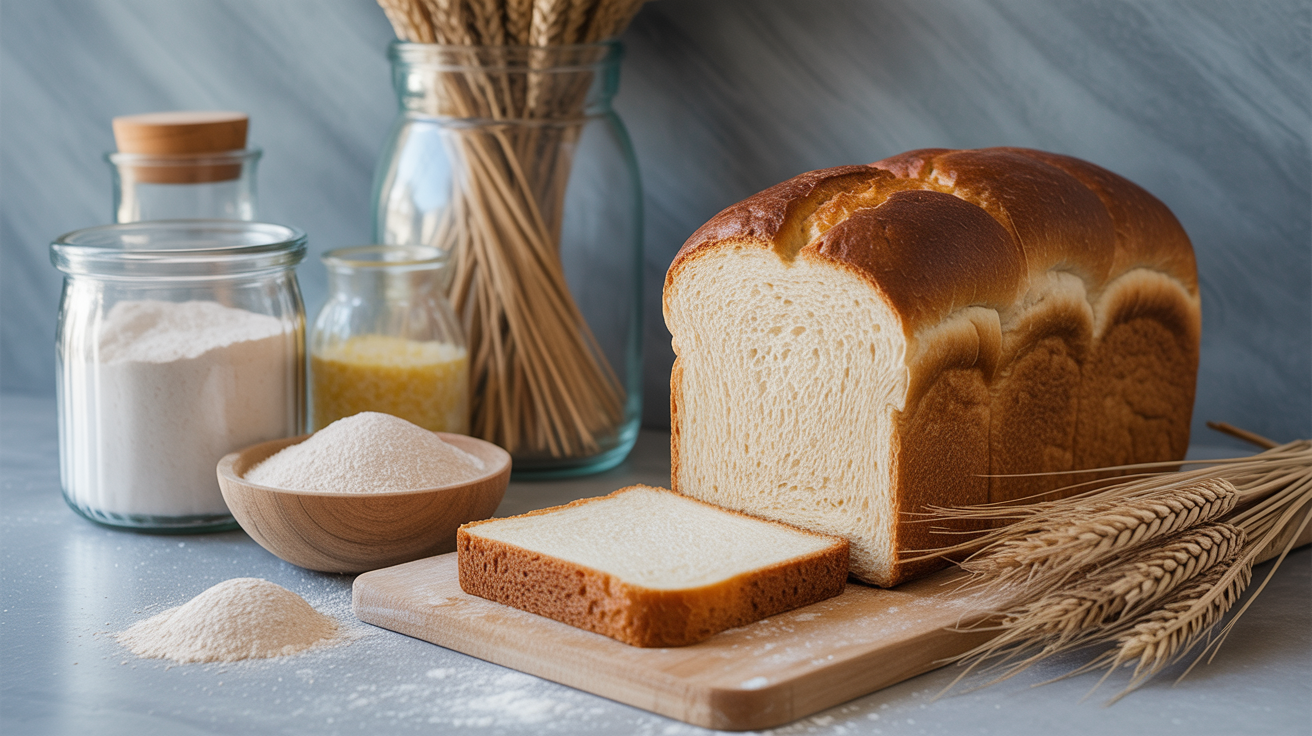
Most bread recipes call for one specific type of yeast, but the store may only carry another. Understanding what each type does, and how to convert between them, means you can bake with whatever is on hand.
The Four Types of Yeast You'll Encounter
All commercial yeasts are strains of Saccharomyces cerevisiae, a single-celled fungus that eats sugars and releases carbon dioxide. That gas is what makes dough rise. Wild yeast, used in sourdough starters, works on the same principle but comes from a more diverse community of microorganisms that also include lactic acid bacteria. Each form of yeast has different moisture levels, activity rates, and storage requirements.
Instant Yeast
Instant yeast (sometimes labeled "rapid-rise" or "bread machine yeast") is the most convenient option. It is dried to a very low moisture content and milled into fine granules that dissolve quickly in dough without any pre-soaking. You can add it directly to your dry ingredients and skip the activation step entirely. It tends to work slightly faster than active dry yeast, which can shorten your first rise by 20 to 30 percent.
Active Dry Yeast
Active dry yeast is the classic pantry staple. It looks similar to instant yeast but has a coarser texture and a dormant outer layer of dead cells surrounding the live ones. That outer layer insulates the yeast and gives it a longer shelf life, but it also means the yeast needs to be "bloomed" before use to wake up reliably. Blooming dissolves that outer shell and lets you confirm the yeast is alive before it goes into the dough.
To bloom active dry yeast, combine it with lukewarm water (around 38 to 43 degrees Celsius) and a pinch of sugar. Let it sit for 5 to 10 minutes. You should see a foam or creamy froth forming on the surface. If nothing happens, the yeast is dead and should be replaced.
Fresh Yeast
Fresh yeast, also called compressed or cake yeast, contains a much higher moisture content than dried varieties, usually around 70 percent water. It is sold in small blocks or cakes, typically refrigerated, and has a shelf life of only two to three weeks. Professional bakers often prefer fresh yeast because it tends to give a slightly more complex flavor and very reliable rise activity. It is harder to find in standard supermarkets, but well-stocked grocery stores and restaurant supply shops usually carry it.
Fresh yeast crumbles easily and can be dissolved directly in the liquid in your recipe, or simply broken into pieces and added to the dough. No blooming step is required, though some bakers dissolve it in a small amount of warm water first out of habit.
Wild Yeast via Sourdough Starter
A sourdough starter is a living culture of wild yeast and bacteria maintained in a flour-and-water mixture. The wild yeast provides leavening, while the bacteria produce lactic and acetic acids that give sourdough its characteristic tang. Fermentation with a starter is slower than with commercial yeast, typically 4 to 12 hours for the bulk fermentation phase depending on temperature and starter health, but many bakers find the flavor and keeping quality of the finished loaf worth the wait.
Wild yeast is not interchangeable with commercial yeast on a gram-for-gram basis. When you switch a recipe to sourdough, you are changing the entire timing, hydration balance, and flavor profile of the bread.
How to Use Each Type
Adding Instant Yeast
Add instant yeast directly to the flour or other dry ingredients. No temperature check on the water is needed for a basic loaf, though very hot water (above 49 degrees Celsius) will still kill it. Instant yeast is the most forgiving option for beginners.
Blooming Active Dry Yeast
Measure the warm water specified in your recipe, subtract that amount from the total liquid, and use it to bloom the yeast. The water should feel warm but comfortable on your wrist, roughly 38 to 43 degrees Celsius. Cooler water will simply slow the process; water above 49 degrees Celsius can kill the yeast. After 5 to 10 minutes of foaming, add the mixture to the rest of your ingredients.
Working with Fresh Yeast
Fresh yeast can go straight into the dough but is easiest to distribute when you dissolve it in a tablespoon or two of the recipe's liquid first. Because fresh yeast is significantly wetter than dry, the conversion ratios below matter when substituting.
Conversion Chart: Swapping One Yeast for Another
These ratios are a practical starting point. Actual rise times will vary with room temperature, flour type, and dough hydration. A kitchen scale makes these conversions straightforward because you are working in grams rather than trying to judge teaspoons of sticky yeast.
| Yeast Type | Amount for a Standard 500 g Flour Loaf | Notes |
|---|---|---|
| Instant | 5 g | Add dry; no blooming needed |
| Active Dry | 6 g | Bloom in warm water first |
| Fresh | 15 g | Dissolve in a small amount of warm water |
| Active Starter (sourdough) | 100 g (at 100% hydration) | Adjust recipe hydration; plan for 6 to 12 h bulk ferment |
Conversion rules of thumb:
- Instant to active dry: multiply by 1.25 (5 g instant = 6 g active dry)
- Instant to fresh: multiply by 3 (5 g instant = 15 g fresh)
- Active dry to fresh: multiply by 2.5 (6 g active dry = 15 g fresh)
If you are scaling a recipe up or down, these ratios hold. Just keep in mind that the yeast quantity affects speed, not the eventual outcome: more yeast means faster fermentation, not necessarily better bread.
How Wild Yeast (Sourdough Starter) Is Different
Commercial yeast is a purified, predictable product. A sourdough starter is an ecosystem. The wild yeast strains it contains are less aggressive than S. cerevisiae, which is why bulk fermentation takes hours rather than one to two hours. The bacteria living alongside the yeast produce acids as they ferment, lowering the dough's pH and contributing flavor compounds that commercial yeast simply does not create.
A starter also contributes water and flour to the dough. A starter kept at 100 percent hydration (equal weights flour and water) that you add at 100 g will bring 50 g of flour and 50 g of water into the recipe. You need to account for that when you calculate your final dough weight and hydration. This is one reason sourdough recipes list baker's percentages rather than fixed volumes.
Temperature control matters more with a starter than with commercial yeast. A warm kitchen (24 to 26 degrees Celsius) can push a sourdough bulk ferment to completion in four hours. A cool kitchen (18 to 20 degrees Celsius) might take twice that. Learning to read the dough rather than watching the clock is the real skill sourdough baking teaches.
Choosing the Right Yeast for Your Situation
For an everyday yeasted loaf or enriched dough like a soft sandwich bread, instant yeast is the easiest choice. It is shelf-stable, widely available, and requires no prep. If your supermarket only has active dry, that works just as well with the blooming step.
Fresh yeast is worth seeking out if you bake in volume and want a slightly richer flavor in lean doughs. It keeps in the freezer for several months if you wrap individual portions tightly.
If you are curious about sourdough, the leavening choice requires building or sourcing an active starter, which is its own learning curve. The type of flour you choose will influence how the dough handles regardless of which yeast you use. See bread flour vs all-purpose flour for a breakdown of how protein content affects structure and rise.
For baking a crusty boule or batard, the vessel you use matters as much as the leavening. A Dutch oven traps steam in the first minutes of the bake and helps develop a crackly crust. Do you really need a Dutch oven to bake bread? covers whether it is worth adding one to your kitchen.
Frequently Asked Questions
Can I substitute instant yeast for active dry yeast in any recipe?
Yes. Use 80 percent of the amount called for (multiply by 0.8), skip the blooming step, and add the yeast directly to the flour. Your rise times will be slightly shorter.
My active dry yeast did not foam. What went wrong?
Either the water was too hot and killed the yeast, the yeast is past its expiration date, or the packet was stored somewhere warm and humid and lost viability. Buy a fresh packet and store sealed yeast in the refrigerator or freezer after opening.
How do I store fresh yeast?
Keep it refrigerated, tightly wrapped, and use it within two to three weeks of purchase. For longer storage, portion it into 15 g pieces, wrap each piece in plastic wrap, place them in a freezer bag, and freeze for up to three months. Thaw at room temperature before using.
Can I use a sourdough starter in a recipe that calls for instant yeast?
You can, but it requires adjusting the recipe. Replace the commercial yeast with roughly 20 percent of the flour weight in active starter (at 100% hydration), reduce the recipe's flour by half that starter weight and the recipe's water by the same amount, and plan for a much longer bulk fermentation. Most beginners find it easier to use a dedicated sourdough recipe rather than converting a commercial yeast formula.
Does more yeast mean a better rise?
More yeast speeds up fermentation but does not improve flavor. Bread developed slowly with less yeast often has more complexity and a longer shelf life. A full two-to-three hour first rise at room temperature with a modest yeast amount will produce better results than a 30-minute rise with a heavy hand of yeast.