Tools & Ingredients
Understanding Flour: Protein, Whole Wheat, and Specialty Types
Learn how flour protein content shapes your bread, plus a plain guide to whole wheat, rye, and specialty flours for home bakers.
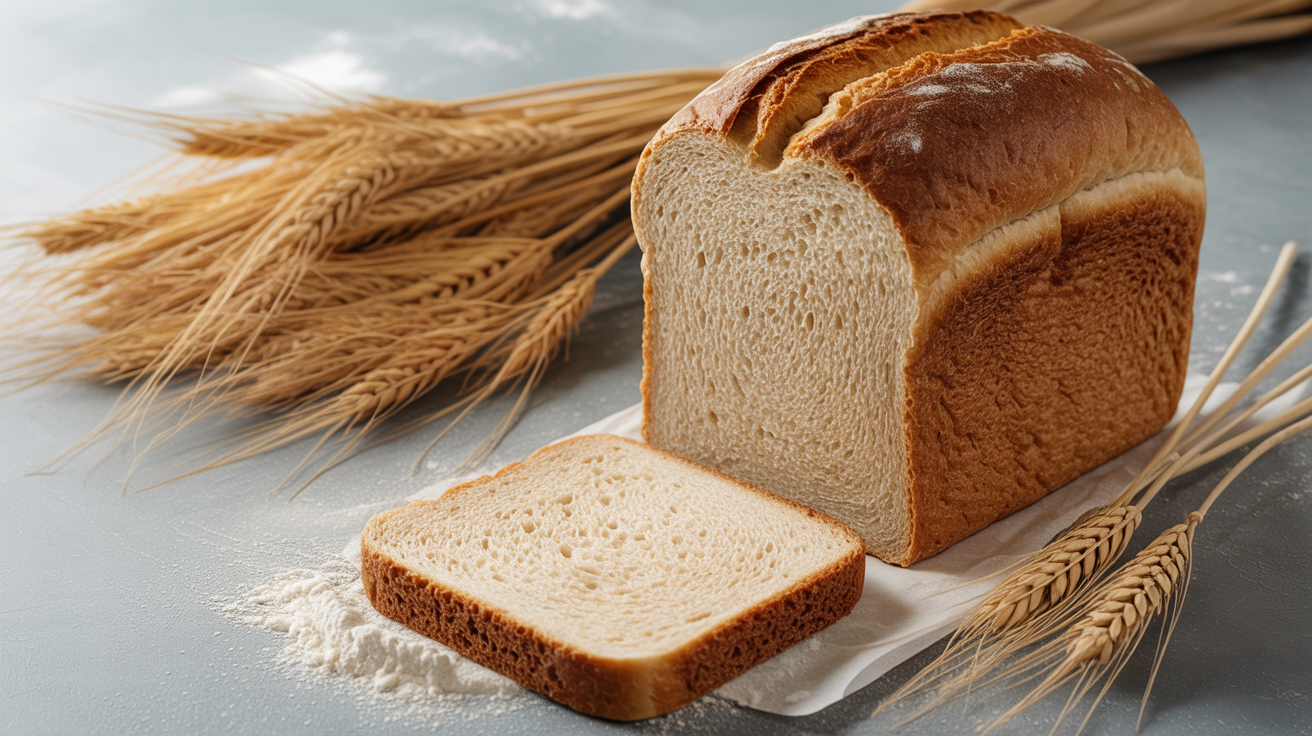
The flour you choose has more effect on your loaf than almost any other ingredient. Knowing what sets bread flour apart from all-purpose, or why whole wheat dough needs more water, gives you a way to read a recipe instead of just following it blindly.
Why Protein Content Is the Number That Matters
Wheat flour is mostly starch, but the protein percentage printed on the bag is what bakers pay attention to. When flour meets water and you start working the dough, two proteins called glutenin and gliadin link up and form gluten. Gluten is the stretchy, elastic network that traps carbon dioxide from yeast or your starter and lets the dough rise without collapsing.
Higher protein means more potential gluten, which means a dough that holds its shape through a long ferment, stretches without tearing during shaping, and produces an open, chewy crumb. Lower protein makes a softer, more tender structure, which is great for cake but can leave a sandwich loaf dense and tight.
That said, more protein is not always better. A very high-protein dough can feel stiff and spring back when you try to shape it. The trick is matching the flour to the bread you want to bake.
Flour Types and Their Protein Ranges
Here is a reference table covering the flours you are most likely to encounter. Protein percentages vary slightly between brands, so treat these as typical ranges rather than fixed guarantees.
| Flour Type | Protein (%) | Common Uses |
|---|---|---|
| Cake flour | 7-8% | Layer cakes, delicate pastries |
| Pastry flour | 8-9% | Pie crusts, cookies, muffins |
| All-purpose flour | 10-12% | Sandwich loaves, flatbreads, everyday baking |
| Bread flour | 12-14% | Artisan loaves, sourdough, pizza dough |
| High-gluten flour | 14-15% | Bagels, chewy pizza crust |
| Whole wheat flour | 13-14% | Whole grain loaves, added to white flour blends |
| Rye flour (light) | 6-8% | Rye loaves, sourdough blends |
| Spelt flour | 12-13% | Spelt sandwich loaves, mixed-grain baking |
| Einkorn flour | 10-13% | Ancient-grain loaves, slow-ferment recipes |
Because flour scooped loose versus spooned into a cup gives you very different weights, measuring by grams on a scale is the reliable approach when protein content matters this much.
All-Purpose vs. Bread Flour: The Core Choice
For most home bakers, the first meaningful decision is whether to use all-purpose or bread flour.
All-Purpose Flour
All-purpose flour sits in the middle of the protein range at roughly 10 to 12 percent, depending on the brand. King Arthur all-purpose is at the high end of that range (about 11.7%), while Gold Medal and Pillsbury run closer to 10 to 10.5%.
That flexibility is useful: you can bake a decent sourdough boule with all-purpose, and your focaccia, pizza, and sandwich loaves will all work without switching bags. The trade-off is that very high-hydration doughs (above 75 to 80%) can turn slack and hard to handle with lower-protein all-purpose because the gluten network is not strong enough to hold the water.
Bread Flour
Bread flour typically runs 12 to 14 percent protein. That extra gluten capacity matters most in two situations: open-crumb sourdough that ferments for many hours, and high-hydration doughs where you need structure to hold the shape through proofing.
If you want to bake a country loaf with a big, irregular crumb, bread flour gives the gluten network the endurance to keep the gas bubbles intact as the dough rises. A detailed breakdown of when to swap one for the other is in bread flour vs all-purpose flour, which should you use.
High-Gluten Flour
High-gluten flour (14 to 15%) is worth knowing about if you make bagels. The dense, chewy texture of a proper bagel comes from very tight, strong gluten that resists the boiling step and gives the bite you expect. For regular loaves it can make the crumb tough and the dough difficult to shape by hand.
Whole Wheat and Whole Grain Flours
How Whole Wheat Differs From White Flour
White flour is milled from just the endosperm of the wheat berry, the starchy center. Whole wheat flour keeps the bran and germ too, which is why it looks darker and has a nuttier taste.
The bran matters structurally: tiny bran particles act like little knives that cut through gluten strands as the dough develops. This is why a 100% whole wheat loaf tends to be denser than one made with white bread flour, even though whole wheat's protein content is comparable on paper.
Hydration Adjustments for Whole Wheat
Bran is thirsty. It absorbs water aggressively, so whole wheat dough stiffens noticeably as it sits. A recipe that uses 70% hydration (700 grams of water per 1000 grams of flour) with white flour often needs 75 to 80% hydration when you swap in whole wheat to keep the same dough texture.
If you are adding whole wheat to a white flour recipe rather than replacing it entirely, a practical starting point is to substitute 20 to 30% of the white flour with whole wheat. That gives you some of the flavor and fiber without making the dough hard to handle.
Rye Flour
Rye flour is low in gluten-forming proteins and high in pentosans, compounds that absorb water and create a gel-like structure. A 100% rye dough is sticky, almost paste-like, and does not develop a stretchy gluten network.
In practice, most home bakers use rye as a partial substitute. Ten to 20% rye blended into bread flour adds depth and earthiness and feeds sourdough starter microbes well. Above 40% rye, expect a denser crumb and a moister texture. Light rye comes from the rye endosperm only; dark rye keeps more bran and has a stronger flavor; medium rye is a practical middle ground.
Specialty and Ancient Grain Flours
Spelt
Spelt is an older relative of modern wheat. Its gluten is more fragile and extensible than bread flour gluten, which means spelt doughs tend to be soft and pliable but can overproof quickly. If you push the fermentation too long, a spelt dough goes from nicely risen to slack and sticky in a short window.
Spelt works well in lower-hydration sandwich loaves and in recipes where you want a slightly sweet, nutty flavor. Start with 60 to 65% hydration until you get a feel for how it behaves in your kitchen.
Einkorn
Einkorn is one of the oldest domesticated wheats. Its gluten is less elastic than modern wheat and harder to develop through kneading, so most bakers use a longer rest and handle it more gently. Einkorn absorbs water slowly; start around 60 to 65% hydration. The flavor is rich and slightly buttery. It is not gluten-free, but some people sensitive to modern wheat tolerate it better.
What About Bread Machine Flour, Self-Rising, or Bleached Flour?
Bread machine flour is usually bread flour with a small amount of dough conditioner added; use it exactly like bread flour. Self-rising flour contains baking powder and salt already mixed in, making it unsuitable for yeasted breads. Bleached flour has slightly weaker protein bonds than unbleached; in most everyday loaves the difference is small, but unbleached is the better default for bread baking.
Storing Flour
White all-purpose and bread flour keeps well for six to twelve months in a sealed container in a cool, dark spot. Whole wheat and other whole grain flours contain oils in the bran and germ that can go rancid, so store them in the refrigerator or freezer and use them within three months. Let refrigerated flour come to room temperature before using so it does not slow fermentation.
Frequently Asked Questions
Can I substitute all-purpose for bread flour in a sourdough recipe?
Yes, with some adjustments. Reduce the water slightly, by about 10 to 15 grams per 500 grams of flour, because all-purpose is slightly less absorbent. The crumb may be a bit tighter, but the loaf will work. If the dough is too slack to shape, try a cold overnight proof in the refrigerator. A Dutch oven also helps lower-protein loaves rise properly.
Why does my whole wheat bread come out dense?
Three common causes: not enough water (bran absorbs more than white flour), under-proofed dough (whole wheat ferments faster so it can exhaust the yeast early), or over-mixed dough that has cut through gluten strands. Try adding 5 to 10% more water, watch your dough rather than the clock, and stop kneading once the dough passes the windowpane test.
Does protein content matter for flatbreads and pizza?
Yes. Pizza dough benefits from bread flour or high-gluten flour because strong gluten creates a chewy crust with snap. Flatbreads like pita or naan work well with all-purpose. For Neapolitan-style pizza, many bakers use 00 flour, an Italian-milled flour with protein around 11 to 12% that stretches easily without tearing.
Is bread flour worth buying separately, or can I just use all-purpose?
If you bake mostly soft sandwich loaves, rolls, or focaccia, all-purpose is fine. For open-crumb sourdough boules or high-hydration doughs, bread flour earns its place. Some bakers keep one bag of each and blend them to land at a protein level that suits the recipe.
What does "unbleached" mean and does it matter?
Bleached flour is treated with benzoyl peroxide or chlorine gas to whiten and age it quickly. The process weakens gluten bonds slightly and can affect flavor at high percentages. Unbleached flour whitens naturally over time and retains stronger gluten. For most bread baking, unbleached is the better default. The flavor difference is subtle, but the structural difference is noticeable in very high-hydration sourdough.