Sourdough
What Is Sourdough Discard and What to Do With It
Sourdough discard is the portion you remove at each feeding. Here's what it is, how to store it, and the best recipes to use it up.
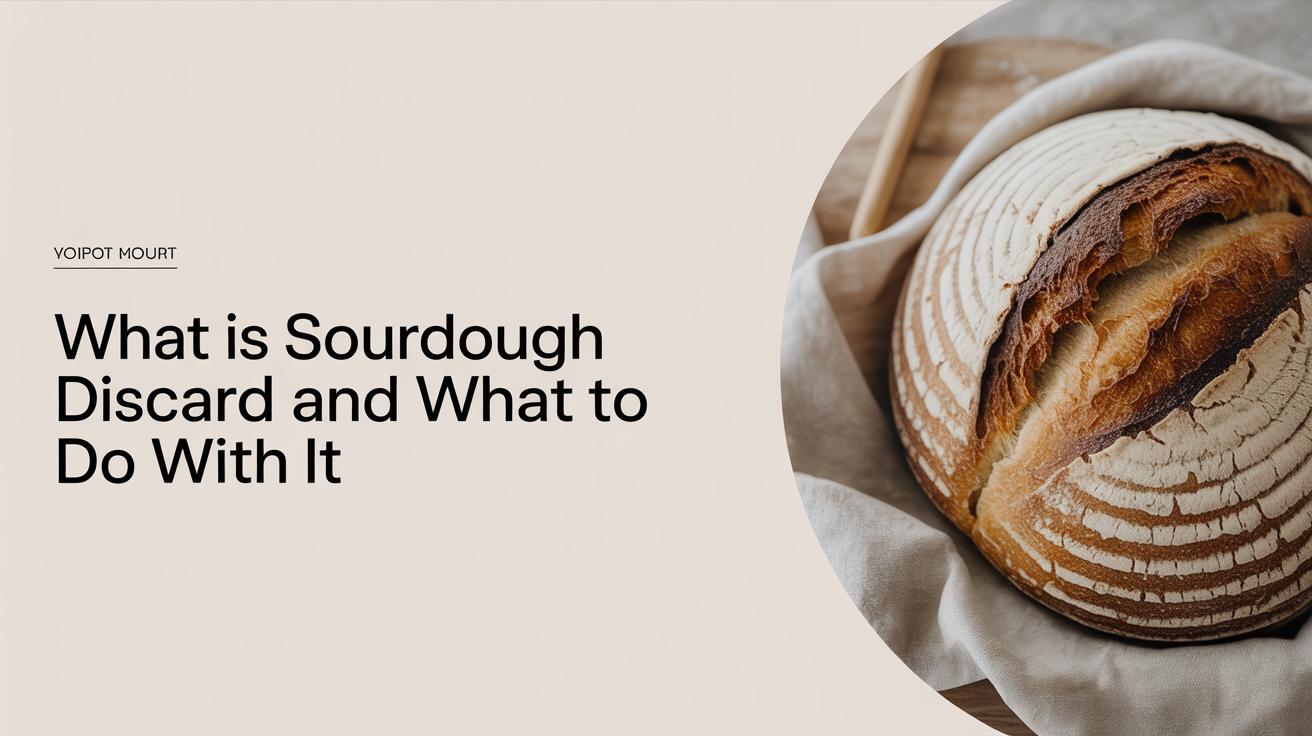
Sourdough discard is the portion of your starter that you remove before each feeding. If you're new to keeping a starter, this removal probably feels wasteful, maybe even a little sad. But it's a necessary step, and once you understand why, you'll also realize that discard is genuinely useful in the kitchen.
The short answer: discard isn't garbage. It's unfed starter, and it's full of flavor.
Why You Remove Discard in the First Place
Every time you feed your starter, you add fresh flour and water. If you never removed any of the old culture, your jar would double in size with every feeding. Within a week you'd need a bucket, not a jar. More practically, as the wild yeast and bacteria consume the available starches, the mixture becomes increasingly acidic. That acidity eventually stresses the microorganisms and weakens the starter's ability to leaven bread.
Removing a portion before feeding keeps the culture at a manageable size and resets the acid level so the fresh food you add gives the colony something to actually work with. If you're still building your starter from scratch, the whole feeding rhythm is covered in this guide to making a sourdough starter from scratch.
The removed portion is what bakers call discard. It still contains live (though hungry) yeast and bacteria, plus all the organic acids that developed during fermentation. Those acids are exactly what gives discard its characteristic tang.
How to Store and Collect Discard
You don't need to bake with discard immediately. Keep a dedicated jar in the refrigerator and scrape each day's discard into it. The cold slows fermentation dramatically, so the discard won't continue souring at the same rate it would on your counter.
A few practical notes:
- Use a clean jar with a loose lid (or a lid set on top without sealing). Trapped gas can build pressure.
- Label the jar with the date of your oldest discard. This matters for knowing when to toss it.
- Discard accumulates fast. If you feed your starter daily, you'll have a full jar within a week.
You can mix discards from different days together without issue. They don't need to be kept separate.
Fed Starter vs. Discard: What's the Difference in Recipes?
This is the point where beginners often get confused, so let's be direct about it.
Fed (active) starter has been recently refreshed, has gone through a rise, and is at or near its peak activity. It contains vigorous yeast that can leaven bread on its own. This is what you use for sourdough loaves.
Discard is unfed starter that hasn't had a recent feeding. It still contains some yeast, but not in the robust, active state needed to raise a loaf. Discard adds flavor, some tenderness from the acids, and mild fermentation benefits, but it cannot replace baking soda or baking powder in a pancake recipe. It works alongside chemical leaveners, not instead of them.
This distinction matters when you're reading recipes. A recipe that says "active sourdough starter" expects something fed and bubbly. A recipe that says "sourdough discard" is happy with the cold jar from your fridge. For a closer look at what "peak" means and how to keep your starter healthy, see how to feed and maintain a sourdough starter.
Sourdough Discard Uses: A Quick Reference
Here are the most common sourdough discard recipes and roughly how much discard each one typically calls for.
| Recipe | Discard Amount | Notes |
|---|---|---|
| Pancakes or waffles | 120–240 g (½–1 cup) | Add baking soda for lift; tangy, tender texture |
| Crackers | 100–150 g (about ½ cup) | Rolled thin, baked until crisp; forgiving ratio |
| Flatbread / tortillas | 100–200 g (½–¾ cup) | Cooked on a dry skillet; no oven needed |
| Banana bread | 60–120 g (¼–½ cup) | Replaces some flour; adds moisture and tang |
| Pizza dough | 100–200 g (½–¾ cup) | Combine with yeast; long cold ferment optional |
| Muffins or quick breads | 60–120 g (¼–½ cup) | Swap for part of the liquid; keep chemical leaveners |
| Pasta dough | 60–100 g (¼–½ cup) | Adds slight tang; roll as usual |
Crackers and pancakes are the easiest starting points. Crackers especially use a high proportion of discard and require almost no special technique.
A Simple Sourdough Discard Cracker Recipe
These come together in under 20 minutes of active time. The discard does most of the work.
Makes: roughly 40 small crackers
| Ingredient | Grams | Cups / Tbsp |
|---|---|---|
| Sourdough discard | 150 g | ½ cup + 2 tbsp |
| All-purpose flour | 80 g | ⅔ cup |
| Olive oil | 30 g | 2 tbsp |
| Fine salt | 4 g | ¾ tsp |
| Flaky salt for topping | to taste | to taste |
Method:
- Preheat your oven to 175°C (350°F). Line a baking sheet with parchment.
- Stir the discard, flour, olive oil, and fine salt together until a shaggy dough forms. It will feel slightly tacky.
- Turn the dough onto the parchment and place a second sheet of parchment on top. Roll as thin as you can get it, ideally 2–3 mm.
- Remove the top parchment. Sprinkle flaky salt over the surface and press lightly so it sticks.
- Score the dough into rough rectangles with a pizza cutter or knife.
- Bake 20–25 minutes, until golden and crisp. The edges will darken first. Break apart along the scored lines once cool.
The crackers keep in an airtight container at room temperature for about a week, though they rarely last that long.
Variations
Add a teaspoon of dried rosemary, everything bagel seasoning, or sesame seeds to the dough before rolling. The base recipe is neutral enough to go in many directions.
How Long Does Discard Keep, and When Should You Toss It?
Stored in the refrigerator, discard typically keeps well for two to four weeks. Over time it becomes more acidic and develops a stronger, more pungent smell. Very old discard can work in recipes that benefit from extra tang (crackers, for instance) but may taste off in something delicate like waffles.
Signs you should throw it out:
- Pink or orange streaks. This indicates contamination with unwanted bacteria. Don't use it.
- Fuzzy mold. Any visible mold means the jar needs to go.
- Smell that's sharp and unpleasant beyond normal tang. Normal discard smells sour, like vinegar or beer. If it smells putrid or strongly of nail polish remover (excess acetone), the culture is too stressed to use safely.
A healthy discard smells tangy and slightly yeasty. That's normal. If your starter itself is behaving oddly rather than just producing discard that smells strong, the troubleshooting guide on why your sourdough starter isn't rising covers the most common culprits.
One practical habit: write the date on your discard jar when you start it fresh. That way you're never guessing how old it is.
Frequently Asked Questions
Can I use discard straight from the fridge?
Yes, for most recipes. You can let it come to room temperature first if you prefer (it stirs more easily), but pancake batter or cracker dough can go together with cold discard without any problem. Just stir it thoroughly before measuring, since the liquid can separate slightly in the fridge.
Does discard taste sour in finished recipes?
It adds tang, but the intensity depends on how old and acidic the discard is and what you're making. Crackers will have a noticeable tang. Banana bread will be milder because the banana sweetness balances it. If you prefer less tang, use fresher discard (a day or two old) rather than the oldest stuff in the jar.
Is sourdough discard raw flour safe to eat?
The discard itself has been fermented, which reduces some compounds in raw flour, but it isn't the same as cooking. Anything made with discard should be cooked or baked before eating, both for food safety and texture reasons. Don't eat unbaked dough or batter.
Can I freeze discard?
Yes. Portion it into ice cube trays or small freezer bags. Frozen discard keeps for several months and thaws well. Thaw it in the fridge overnight or at room temperature for a couple of hours before using. It won't reactivate for bread baking the way a fed starter would, but it works fine in any discard recipe.
Do I have to discard every time I feed my starter?
If you keep a small starter (50 g or less) and use it regularly, you can scale the feeding to the existing starter rather than removing any. But for most home bakers who aren't baking every day, discarding before feeding keeps the jar a practical size and the culture in good shape.